In the processing of pile foundation steel cages, there is a significant difference in cost structure between labor-based binding and automated equipment processing. When selecting equipment, the construction party should not only consider the initial investment but also comprehensively calculate the long-term comprehensive costs.
The labor-based binding mode requires almost no large-scale equipment investment, but it is a labor-intensive operation. A standard steel cage team usually needs 6-8 skilled workers to complete the task together. The cost mainly consists of labor costs, plus binding materials, management food and accommodation, and loss due to mistakes and rework; at the same production capacity, the overall unit price is relatively high, making it suitable for short-term, small-batch, and scattered projects.
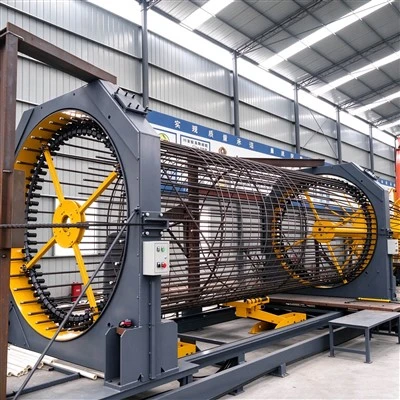
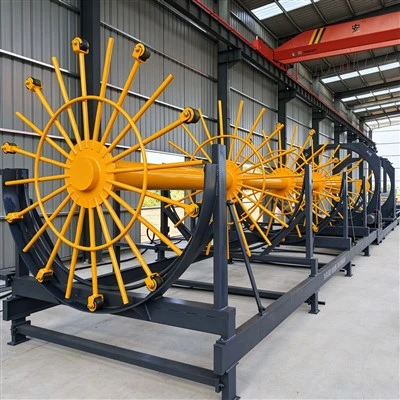
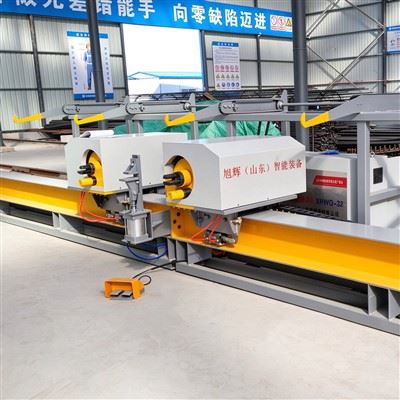
The automated steel cage rolling welding machine has a one-time purchase investment, and the later costs mainly consist of electricity and maintenance of spare parts. Only 1-2 operators are needed to be on duty, which can replace multiple steel workers, significantly reducing labor expenses. The equipment is servo-controlled, with precise and stable spacing of the hoops and the diameter of the cage body. The steel loss is lower, and the processing efficiency can reach 3-5 times that of laborers. The single-meter processing cost can be reduced by 30%-50%.
The payback period depends on the annual processing volume: large-scale, long-term stable supply prefabricated factories; continuous undertaking of road and bridge, municipal pile foundation projects, and construction sites with sufficient annual processing capacity, the payback speed is faster. If the project is scattered and there is almost no processing volume, the flexibility advantage of labor-based binding is more prominent.