


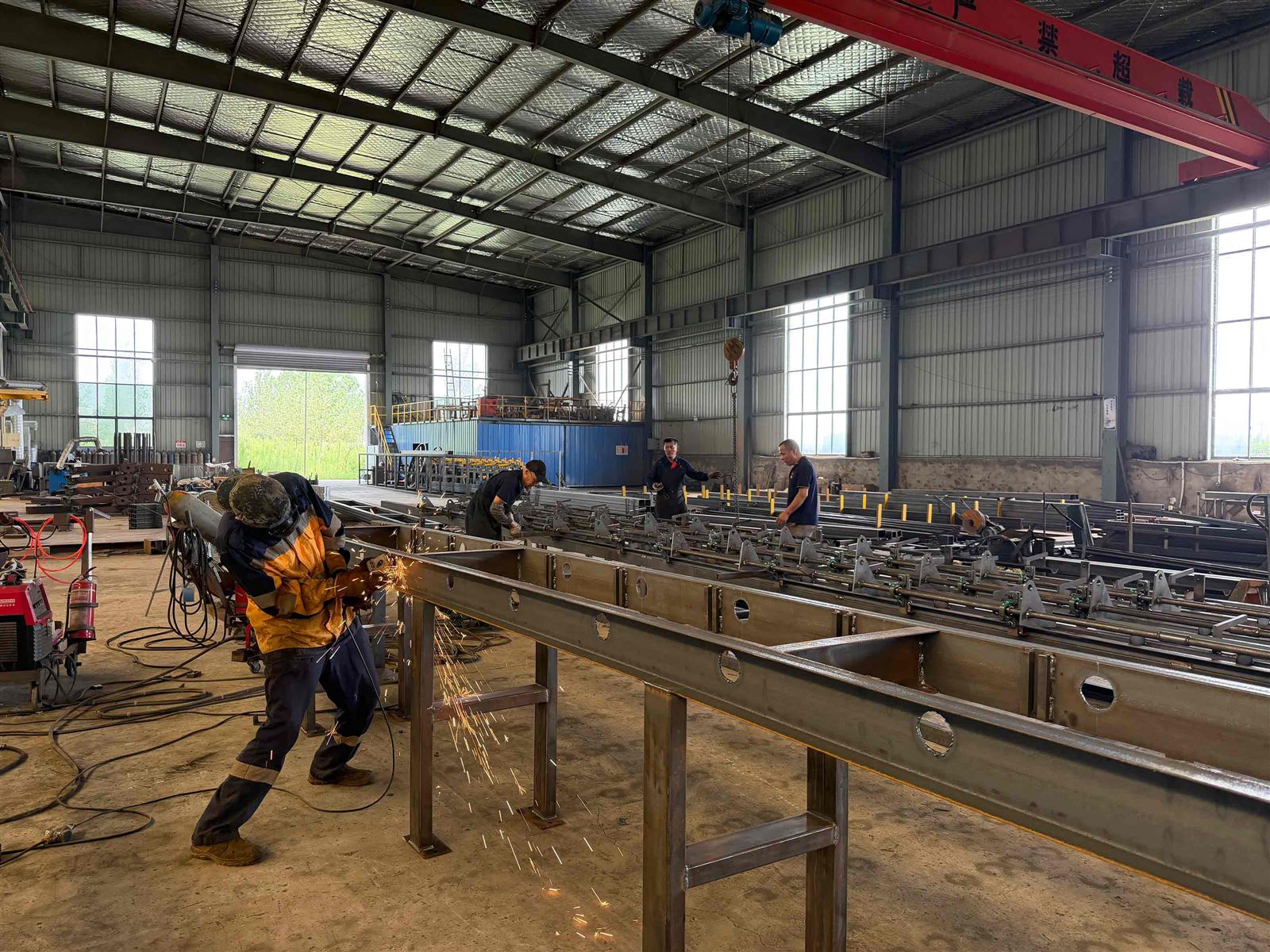
Entering the production workshop of Xuhui Intelligent Equipment, the sounds of machine operations, welding arcs, and crane lifting can be heard continuously.
The equipment currently being manufactured is intended for pile foundation projects in the Middle East and is scheduled to be loaded onto trucks next Wednesday. The workshop director pointed to a dual-gun automatic welding machine for reinforcing steel cages that was undergoing commissioning. He explained that since the beginning of the fourth quarter, the company's production schedule has been fully booked through the end of the year, with workshop employees working hard to meet delivery deadlines.
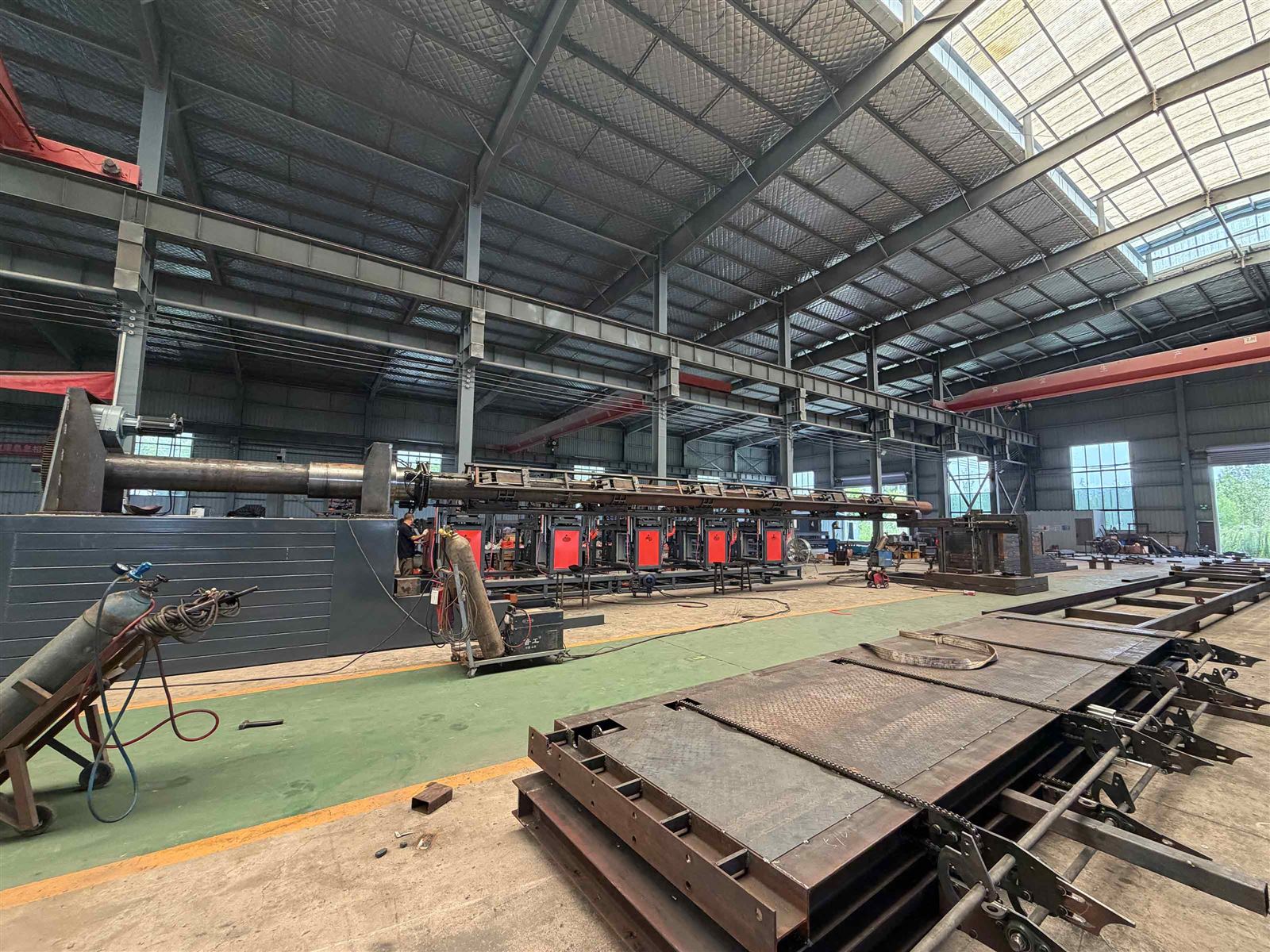
With a strong order backlog, overseas demand has become a major driver of production. In the assembly area, a steel cage rolling welding machine capable of producing cages with diameters ranging from 300 to 2,000 mm is undergoing no-load testing before shipment. The technical director explained that the machine integrates several processing stages, including coil straightening, cage forming, welding, and cutting, into a single production process. It can be operated by one worker and, according to the company's estimates, achieves processing efficiency 8 to 10 times higher than that of traditional manual welding.
"Export orders have increased significantly this year," the company's director said. Countries across the Middle East, Southeast Asia, Europe, and South America are stepping up investment in infrastructure development. As a result, demand for rebar cage processing equipment used in bridge construction, high-speed railways, subway systems, and nuclear power projects continues to grow.
In the third quarter alone, the company's export orders increased by more than 40%. Its products have been exported to more than 20 countries and regions, including Russia, Israel, India, and Croatia.
To meet the requirements of overseas projects, these machines have been upgraded with several key features. They can process specified steel grades, such as 38Si7, in accordance with the applicable material requirements. The PLC control system supports multiple interface languages, including Russian, English, and Spanish. All key electrical components are sourced from internationally recognized brands.