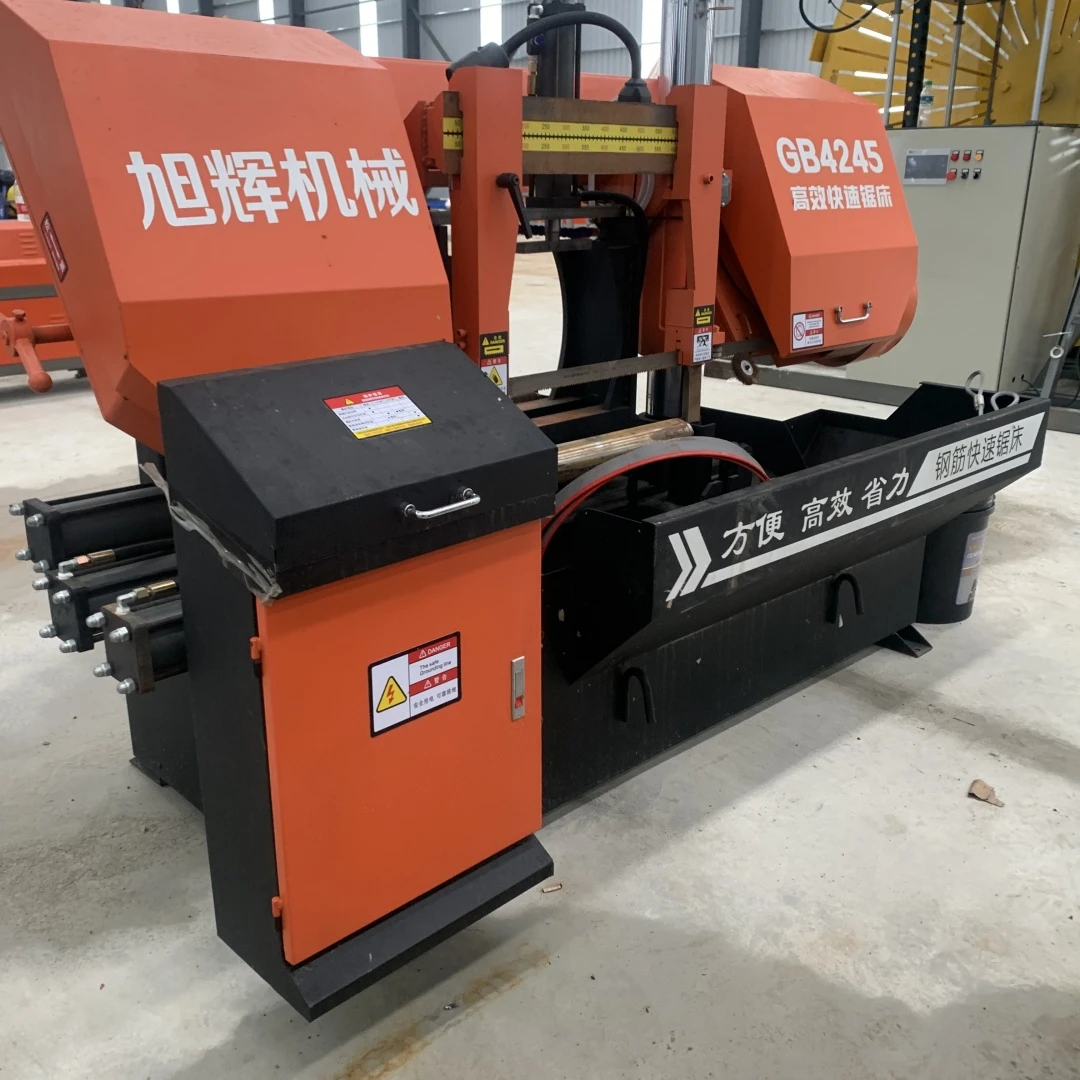
As a key piece of equipment in steel bar processing, the steel bar cutting machine-with its efficient, precise, and stable cutting performance-has become an indispensable tool in modern construction, effectively solving the problems of low efficiency and large errors associated with traditional manual cutting.
What Is a Steel Bar Cutting Machine?
A steel bar cutting machine is specialized mechanical equipment designed to cut steel bars of various specifications, such as round steel, threaded steel, and flat steel. Powered by motors or hydraulic systems, it drives cutting components (e.g., blades or saw blades) to cut steel bars into specified lengths according to construction requirements.
Depending on power sources and cutting principles, these machines are classified into various types, suitable for different scenarios-from small-scale on-site cutting to large-scale batch processing in factories-meeting the construction industry's core demands for "high efficiency, precision, and safety."
Core Advantages of Steel Bar Cutting Machines
Compared with traditional methods such as manual chiseling and gas cutting, modern steel bar cutting machines have several irreplaceable advantages:
Significant Efficiency Improvement
Traditional manual cutting of a 25 mm diameter steel bar takes 3 to 5 minutes, whereas a mechanical cutting machine needs only 10 to 30 seconds.
CNC models can even achieve "continuous and uninterrupted cutting," allowing a daily processing volume 10 to 20 times higher than manual cutting, greatly shortening construction schedules.
Stable Cutting Quality
Mechanical cutting ensures smooth, deformation-free, and burr-free cuts by maintaining a fixed cutting path and consistent force.
Safe and Reliable Operation
Mainstream models are equipped with protective baffles, emergency stop buttons, and overload protection, significantly reducing the risk of operator injury caused by direct contact with cutting components.
Precautions for Use and Maintenance
To ensure the stable performance and long service life of steel bar cutting machines, the following operational and maintenance guidelines must be strictly observed:
- 1Pre-Use Inspection
Check whether the power supply, hydraulic oil, and lubricating oil are sufficient and whether wires and pipelines are intact.
Inspect the cutting blades/saw blades to confirm they are sharp and securely installed. If chipped or severely worn, replace them immediately to prevent slipping steel bars or uneven cuts.
Test whether safety devices (e.g., guardrails and emergency stop buttons) function properly.
Do not operate the machine if safety devices fail.
- Operating Guidelines
Operators must wear protective glasses and gloves.
Loose clothing, jewelry, or accessories are prohibited to avoid entanglement with moving parts.
During cutting, secure the steel bars firmly against the positioning baffle to ensure accurate length.
Do not press the steel bars near the cutting area by hand.
Do not cut steel bars or other metals (e.g., pipes or plates) exceeding the machine's rated diameter, to avoid equipment overload and damage.
- Daily Maintenance
At the end of each workday, clean steel debris and dust from the equipment surface and check blade tightness.
Lubricate transmission components (e.g., gears and bearings) weekly.
For hydraulic models, regularly check the hydraulic oil's level and purity to prevent system failures caused by oil contamination.
Calibrate the feeding mechanism and sensors of CNC models monthly to ensure cutting accuracy.
When the machine is idle for extended periods, apply anti-rust oil to blades and metal parts for protection.