


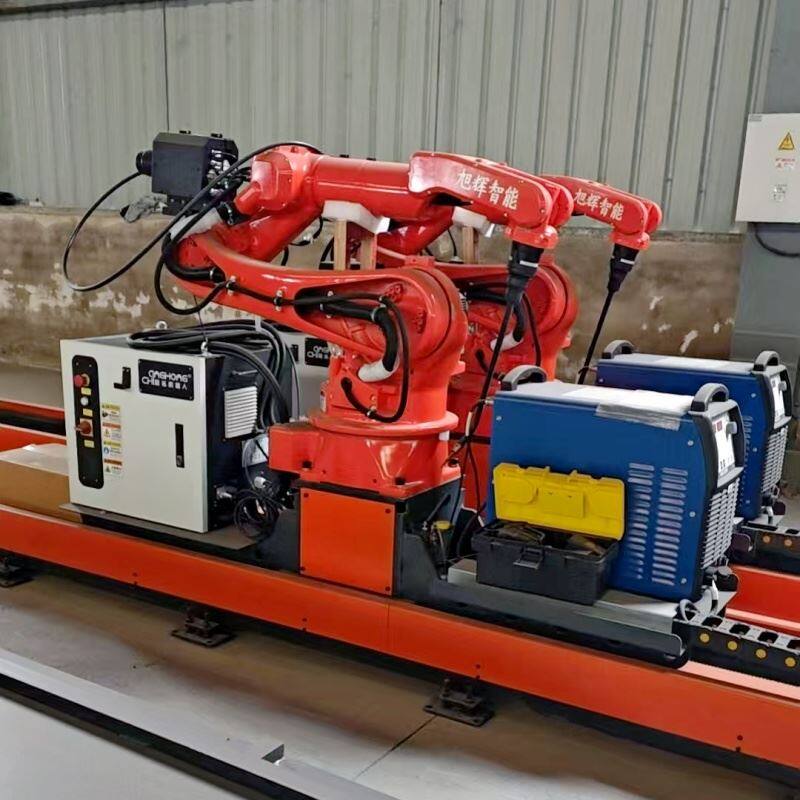
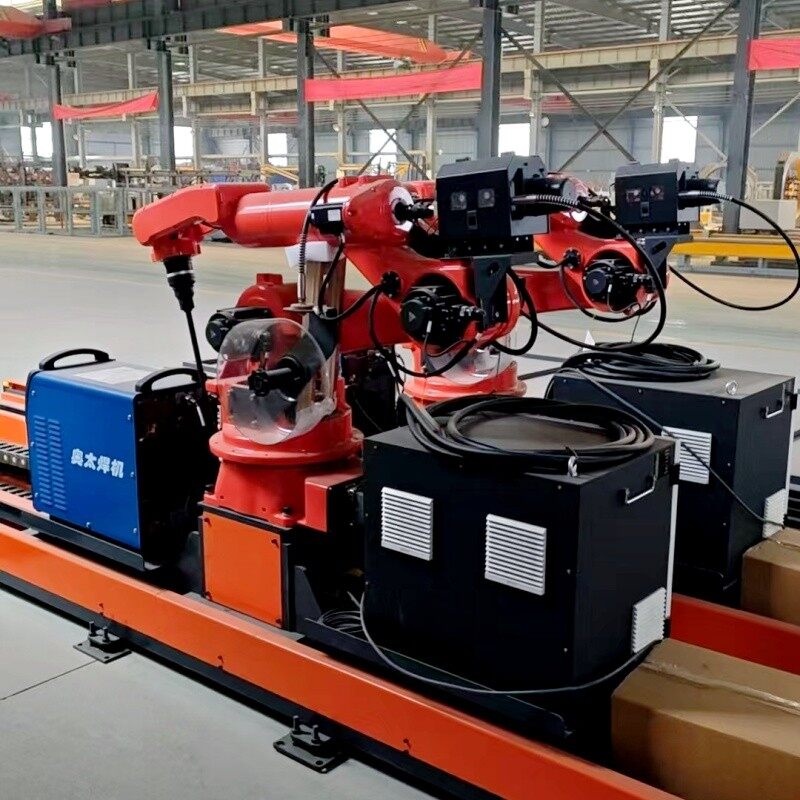
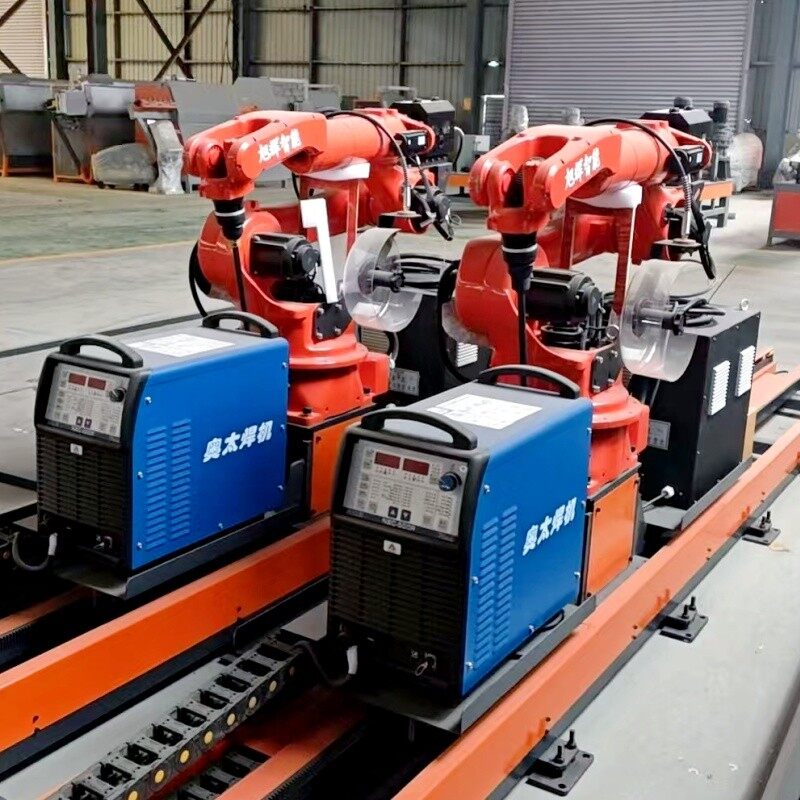
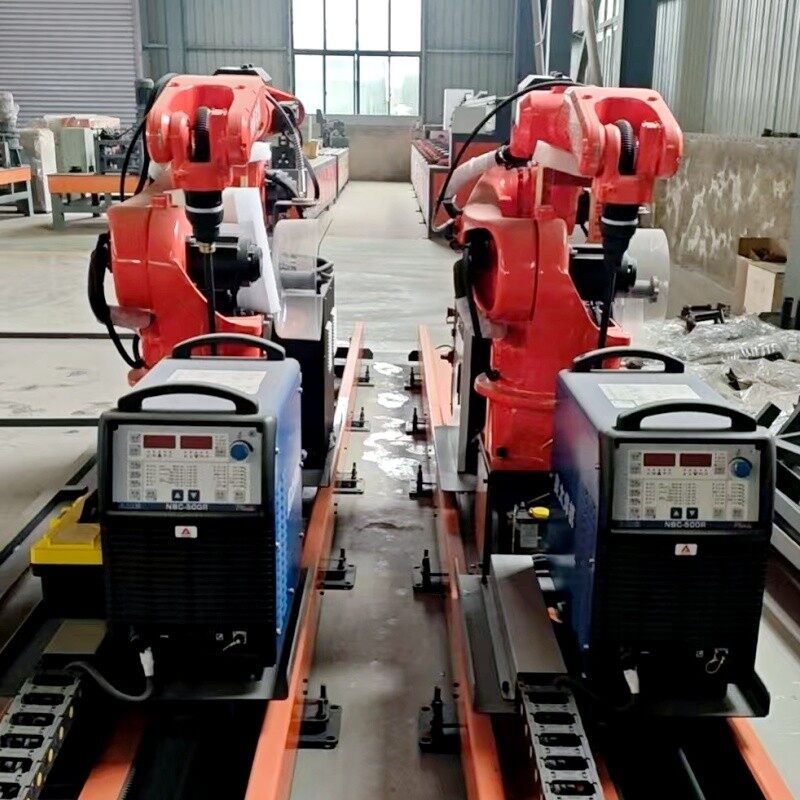
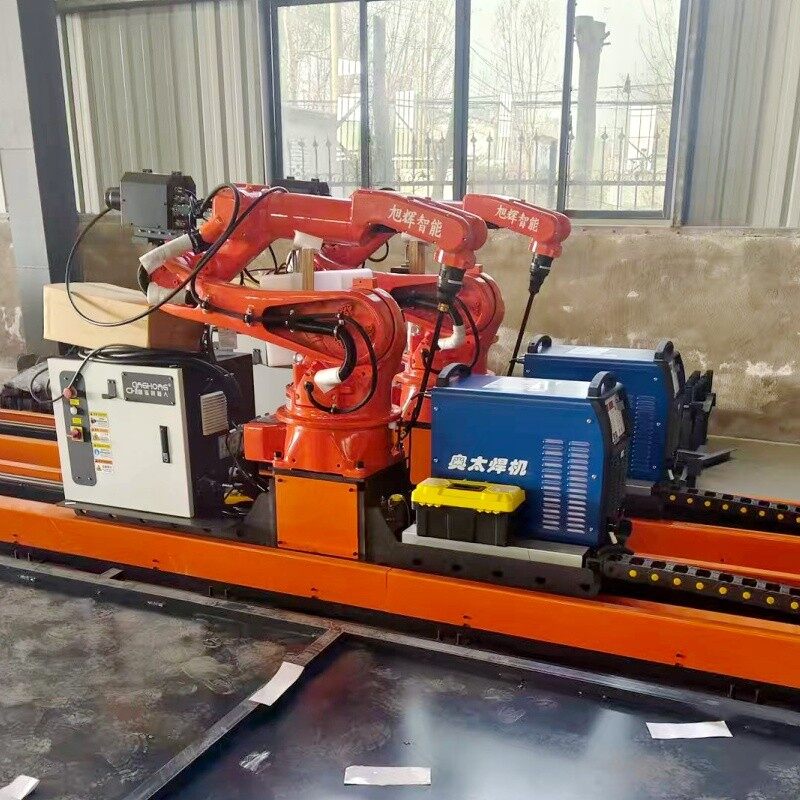
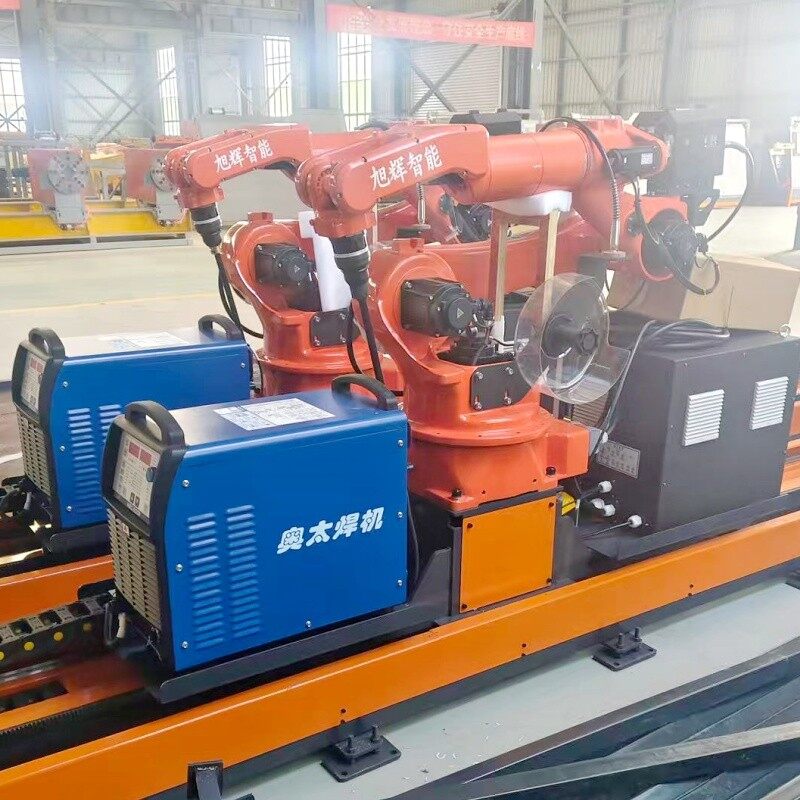
Xuhui (Shandong) Intelligent Equipment Co., Ltd. is one of the leading manufacturers and suppliers of high precision beam frame welding robot in China. If you're going to wholesale high quality high precision beam frame welding robot made in China, welcome to get quotation from our factory. Customized orders are welcome.
High Precision Beam Frame Welding Robot
Whether it's steel beams or arch frames, it can get the job done efficiently and with solid precision, without needing a lot of manual effort. It also comes with features like high-precision positioning, multi-axis movement, and automatic wire feeding.
Put all that together, and you get a big boost in both welding quality and speed compared to manual work. It's really built for those big, heavy-duty jobs where consistency and efficiency matter most.
This machine can be set up with a customizable dual-platform setup, which tends to make things a bit more convenient to use. It can also help improve welding accuracy and overall efficiency to some extent. If you pair it with high-precision ground rails, the robot moves more smoothly, and the speed and positioning usually become more reliable. With a dual-robot and dual-station setup, efficiency can go up quite a bit-sometimes close to doubling, depending on the job.
It also comes with a handheld teaching system, so operation feels simpler. You don't need to get into anything too complicated to get started, and the functions cover most needs.
As for welding methods, it supports quite a few, like weaving weld, spot weld, and fishbone weld. You can switch between them based on the workpiece, and overall the weld results tend to come out more stable and cleaner-looking.
This thing can be used in a lot of different industries

In the hardware sector, for example, they're often used for processing different kinds of metal components, where they can help keep the welding accuracy and efficiency fairly consistent.
In the doors and windows industry, they can be used for standardized welding of frames and steel structures, and usually adapt well to different sizes and production needs.
You'll also see them in the automotive field. Whether it's body structures or smaller parts, they can handle a good portion of the welding work and support more automated production. That can help improve consistency and, in many cases, overall efficiency on the line.
FAQ
Q: What is a High Precision Beam Frame Welding Robot?
A: It is an automated welding system designed for accurate and efficient beam frame welding with high stability and repeatability.
Q: What are the advantages of this welding robot?
A: It improves welding precision, reduces labor costs, increases production efficiency, and ensures consistent weld quality.
Q: What materials can it weld?
A: It is suitable for welding various metal beam frames, including steel and other industrial structural materials.
Q: How does it improve welding accuracy?
A: The robot uses advanced control systems and precise positioning technology to achieve stable and high-quality welding results.
Q: Is it suitable for large-scale production?
A: Yes, it is ideal for industrial applications requiring continuous, reliable, and high-volume beam frame welding.


