

Hey there! As a supplier of CNC Steel Bar Rolling Machines, I often get asked about the production capacity of these machines per hour. It's a crucial question for anyone in the construction or manufacturing industry looking to invest in such equipment. So, let's dive right in and break it down.
Understanding the Basics
First off, what exactly is a CNC steel bar rolling machine? Well, it's a high - tech piece of equipment that uses computer numerical control (CNC) technology to roll steel bars into various shapes and sizes. This automation not only ensures precision but also significantly boosts productivity compared to traditional manual methods.

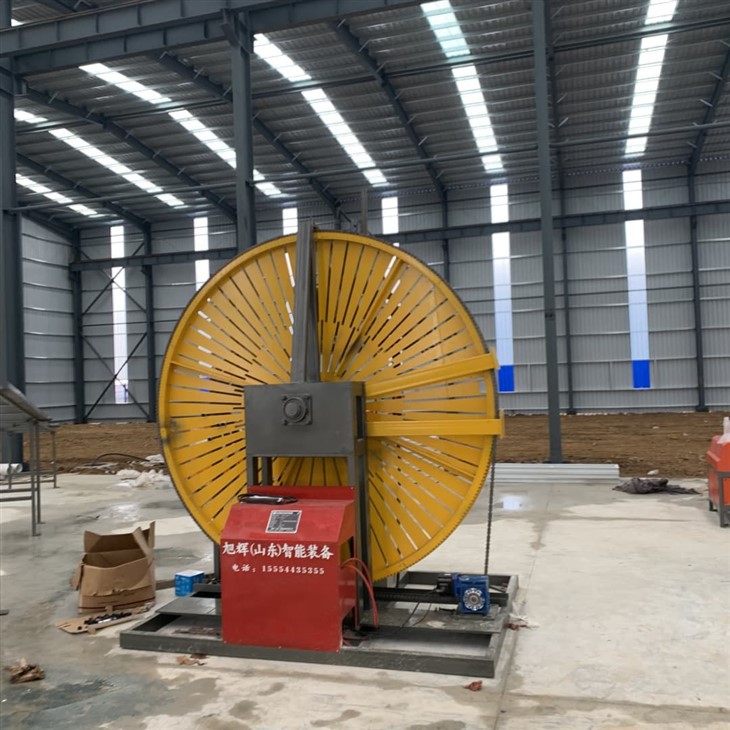
The production capacity of a CNC steel bar rolling machine per hour isn't a one - size - fits - all number. It depends on several factors, including the type of steel bar, the complexity of the rolling task, and the machine's specifications.
Factors Affecting Production Capacity
1. Steel Bar Type and Size
Different types of steel bars, such as mild steel, high - strength steel, or stainless steel, have different properties. Harder steels may require more power and slower processing speeds, which can reduce the production capacity. Similarly, the diameter and length of the steel bar matter. Thicker and longer bars generally take more time to roll than thinner and shorter ones. For instance, rolling a 20 - millimeter diameter steel bar might be quicker than rolling a 50 - millimeter one.
2. Complexity of the Rolling Task
If you're just doing simple straight rolling, the machine can work at a relatively high speed. But if you need to create complex shapes like spirals or custom curves, the production speed will slow down. The machine has to make precise adjustments at each step, which takes time. For example, a High - efficiency And Precise Steel Bar Bending Machine can handle complex bending tasks, but the more complex the bend, the longer it will take per bar.
3. Machine Specifications
The power of the machine's motor, the quality of its components, and the sophistication of its CNC system all play a role. A more powerful motor can drive the rolling process faster. High - quality components are less likely to break down or require frequent maintenance, ensuring continuous operation. And an advanced CNC system can optimize the rolling process, reducing the time per bar.
Typical Production Capacities
On average, a standard CNC steel bar rolling machine can produce anywhere from 20 to 100 steel bars per hour. For simple rolling tasks with small - diameter bars, it could be on the higher end of that range. For example, if you're rolling 6 - millimeter diameter mild steel bars into straight lengths, you might be able to get close to 100 bars per hour.
However, if you're working with larger - diameter bars or complex shapes, the production capacity could drop to 20 - 30 bars per hour. For instance, when using a Ring Making Machine to create steel rings from thick bars, the process is more time - consuming.
How to Maximize Production Capacity
1. Proper Machine Selection
Choose a machine that suits your specific needs. If you mainly work with small - diameter bars and simple shapes, a less powerful but more cost - effective machine might be sufficient. But if you have a wide range of tasks, including complex bending and large - diameter bars, invest in a high - end machine with advanced features.
2. Regular Maintenance
Keep your machine in top condition. Regularly clean, lubricate, and inspect the components. Replace worn - out parts promptly. This will prevent breakdowns and ensure consistent performance.
3. Operator Training
Make sure your operators are well - trained. A skilled operator can optimize the machine's settings, reduce errors, and speed up the production process. They can also troubleshoot minor issues quickly, minimizing downtime.
Comparing with Other Machines
When comparing the production capacity of a CNC steel bar rolling machine with other steel - processing machines, it has its advantages. For example, compared to manual rolling, a CNC machine is much faster and more precise. Manual rolling is labor - intensive and can only produce a few bars per hour.
Compared to some other automated machines, like a High - precision And Rapid Steel Bar Bending Machine, the rolling machine is better suited for tasks that require continuous rolling rather than just bending. Each machine has its own niche in the steel - processing industry.
Conclusion
So, as you can see, the production capacity of a CNC steel bar rolling machine per hour varies widely depending on multiple factors. By understanding these factors and taking steps to maximize the machine's performance, you can get the most out of your investment.
If you're in the market for a CNC steel bar rolling machine or have any questions about production capacity, feel free to reach out. We're here to help you find the right solution for your business. Whether you're a small - scale contractor or a large - scale manufacturer, we can provide the expertise and equipment you need. Let's start a conversation and see how we can improve your steel - processing operations.
References
- Industry reports on steel - processing machinery
- Manufacturer's specifications for CNC steel bar rolling machines