

Hey there! As a supplier of mesh welding machines, I often get asked about the noise level of these machines during operation. It's a valid concern, especially for those who are planning to set up a welding workshop or looking to upgrade their existing equipment. In this blog post, I'll dive deep into the noise levels of mesh welding machines, what factors affect them, and how you can manage the noise in your workspace.
First off, let's talk about what a mesh welding machine is. These machines are used to weld wire meshes, which are commonly used in construction, agriculture, and industrial applications. There are different types of mesh welding machines, such as the Bridge Steel Mesh Welding Machine, Steel Mesh Welding Workstation, and Intelligent Mesh Welding Production Line. Each type has its own unique features and functions, but they all involve the process of welding wires together to form a mesh.
Now, let's get to the main question: what's the noise level of a mesh welding machine during operation? Well, the noise level can vary depending on several factors. One of the biggest factors is the type of welding process used. For example, resistance welding, which is commonly used in mesh welding machines, can produce a significant amount of noise. This is because the process involves applying a high current to the wires to create a weld, and the electrical arcing and mechanical forces involved can generate noise.
Another factor that affects the noise level is the design and construction of the machine. Machines that are poorly designed or have loose components can produce more noise than well-built machines. Additionally, the speed at which the machine operates can also impact the noise level. Faster machines tend to produce more noise because they are working at a higher rate, which means more mechanical movement and electrical activity.

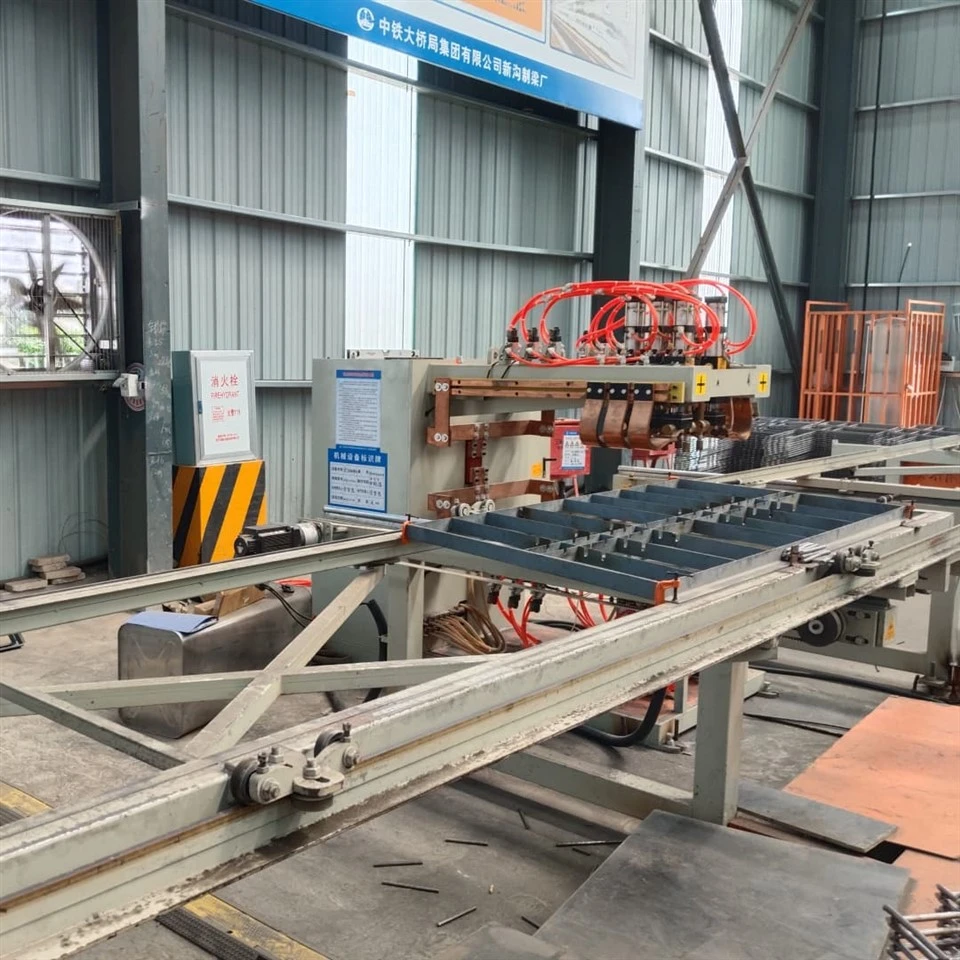
On average, a mesh welding machine can produce noise levels ranging from 70 to 90 decibels (dB). To put that into perspective, normal conversation is around 60 dB, and a lawnmower typically produces around 90 dB. Prolonged exposure to noise levels above 85 dB can cause hearing damage, so it's important to take steps to protect yourself and your workers if you're operating a mesh welding machine.
So, how can you manage the noise in your workspace? Here are some tips:
1. Use Noise-Reducing Equipment
There are several types of noise-reducing equipment that you can use to minimize the impact of the noise from your mesh welding machine. For example, you can use earplugs or earmuffs to protect your ears. These are relatively inexpensive and can be very effective at reducing the amount of noise that reaches your ears. You can also consider using a noise-canceling headset, which can provide even more protection.
2. Install Soundproofing Materials
Another way to reduce the noise in your workspace is to install soundproofing materials. This can include acoustic panels, insulation, or curtains. These materials can absorb and reflect the sound waves, reducing the amount of noise that escapes from the machine and into the surrounding area. You can install these materials on the walls, ceiling, or floor of your workshop to create a more soundproof environment.
3. Maintain Your Machine
Proper maintenance of your mesh welding machine can also help to reduce the noise level. Make sure that all the components are tightened and in good working condition. Loose components can vibrate and produce additional noise. Regularly lubricate the moving parts to reduce friction and noise. Also, keep the machine clean and free of debris, as this can also affect its performance and noise level.
4. Optimize the Workspace Layout
The layout of your workspace can also have an impact on the noise level. Try to position the mesh welding machine away from areas where people are likely to be working or spending a lot of time. You can also use barriers or partitions to separate the machine from the rest of the workspace. This can help to contain the noise and reduce its impact on the surrounding area.
5. Choose a Low-Noise Machine
When purchasing a mesh welding machine, consider choosing a model that is designed to produce less noise. Some manufacturers offer machines with noise-reducing features, such as improved insulation or quieter motors. Do your research and compare different models to find the one that best suits your needs and budget.
In conclusion, the noise level of a mesh welding machine during operation can vary depending on several factors, but it's important to take steps to manage the noise in your workspace to protect your hearing and the well-being of your workers. By using noise-reducing equipment, installing soundproofing materials, maintaining your machine, optimizing the workspace layout, and choosing a low-noise machine, you can minimize the impact of the noise and create a more comfortable and productive working environment.
If you're in the market for a mesh welding machine or have any questions about the noise levels or other aspects of these machines, don't hesitate to reach out. We're here to help you find the right solution for your needs and can provide you with more information and support. Let's start a conversation and see how we can work together to meet your welding requirements.
References
- General knowledge about industrial machinery noise levels and welding processes.
- Manufacturer specifications and guidelines for mesh welding machines.