

Operating a manual bar bending machine requires a combination of technical knowledge, practical skills, and safety awareness. As a supplier of bar bending machines, I am well - versed in the intricacies of these machines and am excited to share with you how to operate a manual bar bending machine effectively.
Pre - operation Preparations
Before starting to operate the manual bar bending machine, it is crucial to carry out a series of preparatory steps to ensure both the safety of the operator and the proper functioning of the machine.
1. Machine Inspection
First and foremost, you need to conduct a thorough inspection of the bar bending machine. Check all the mechanical parts, including the bending disc, the supporting rollers, and the transmission system. Look for any signs of wear, damage, or loose components. Ensure that the electrical system, if any, is in good condition, with no exposed wires or short - circuit risks. For instance, examine the belts and chains to make sure they are properly tensioned. If any part shows excessive wear, it should be replaced immediately to prevent unexpected breakdowns during operation.
2. Select the Right Tooling
Based on the type and size of the steel bars you are going to bend, select the appropriate tooling. The bending pin and the supporting block need to match the diameter and shape of the bars. Using incorrect tooling can lead to inaccurate bends, damage to the bars, or even pose a safety hazard. For example, if you are bending small - diameter bars, using a large - sized bending pin will not provide a precise bend and may cause the bar to slip or deform unevenly.
3. Safety Equipment
Wear the necessary safety equipment, such as safety goggles, gloves, and steel - toed shoes. Safety goggles protect your eyes from flying debris, while gloves provide a better grip on the bars and protect your hands from sharp edges. Steel - toed shoes are essential in case a heavy bar accidentally falls on your feet.
Loading the Steel Bars
Once the pre - operation preparations are complete, you can start loading the steel bars onto the bending machine.
1. Positioning the Bars
Place the steel bar on the machine's workbench, aligning it with the bending disc and the supporting rollers. Make sure the bar is straight and properly centered. You can use the measuring scale on the workbench to ensure accurate positioning. For example, if you need to bend the bar at a specific length, measure the distance from the end of the bar to the bending point and mark it on the bar. Then, position the bar on the machine according to the mark.
2. Securing the Bars
After positioning the bar, secure it firmly in place. Most manual bar bending machines are equipped with clamping devices. Use these devices to hold the bar tightly to prevent it from moving during the bending process. A loose bar can result in an inaccurate bend or even cause the bar to fly out of the machine, which is extremely dangerous.
Bending Process
The bending process is the core of operating a manual bar bending machine. Here are the key steps:
1. Set the Bending Angle
Determine the desired bending angle according to your project requirements. Most manual bar bending machines have an angle scale on the bending disc. Rotate the bending disc to set the angle. For example, if you need to bend the bar at a 90 - degree angle, align the pointer on the bending disc with the 90 - degree mark on the scale.
2. Start Bending
Slowly turn the operating handle or use the foot pedal, depending on the machine's design, to start the bending process. Apply a steady and even force. Do not rush the process, as applying too much force too quickly can cause the bar to break or the machine to malfunction. As you bend the bar, keep an eye on the bending angle to ensure it reaches the desired value. If necessary, make small adjustments during the bending process.
3. Multiple Bends
If you need to make multiple bends on the same bar, repeat the above steps for each bend. Make sure to re - position and secure the bar accurately before each new bend. Pay attention to the spacing between the bends, which should be in line with your project specifications.
Post - operation Procedures
After completing the bending work, there are several important post - operation procedures to follow.
1. Unloading the Bars
Carefully release the clamping devices and remove the bent bars from the machine. Place the bars in a designated area, taking care not to damage them or cause any injuries.
2. Machine Cleaning
Clean the bar bending machine to remove any debris, dust, or metal shavings. Use a brush or compressed air to clean the hard - to - reach areas, such as the bending disc and the supporting rollers. Keeping the machine clean can extend its service life and ensure its proper functioning in the next operation.
3. Inspection and Maintenance
Conduct a final inspection of the machine after cleaning. Check for any signs of wear or damage that may have occurred during the operation. If any issues are found, perform the necessary maintenance or repairs. Lubricate the moving parts regularly to reduce friction and prevent premature wear.
Our Product Offerings
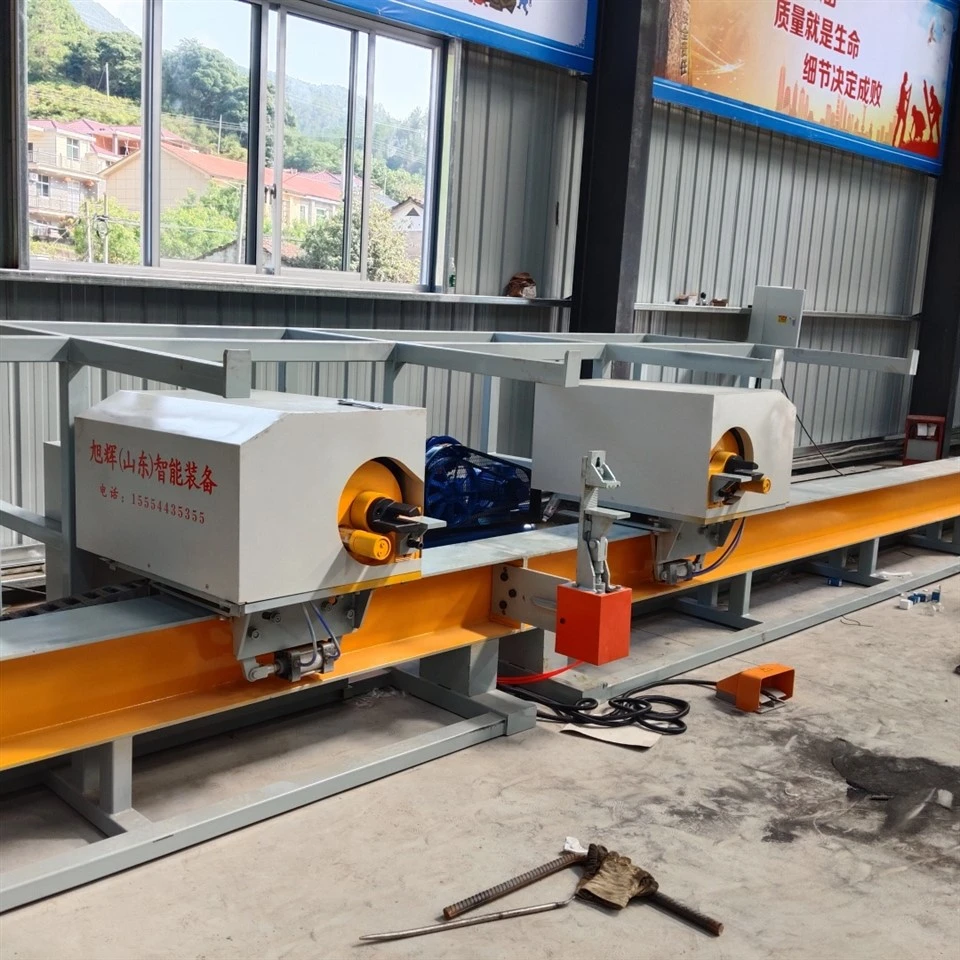
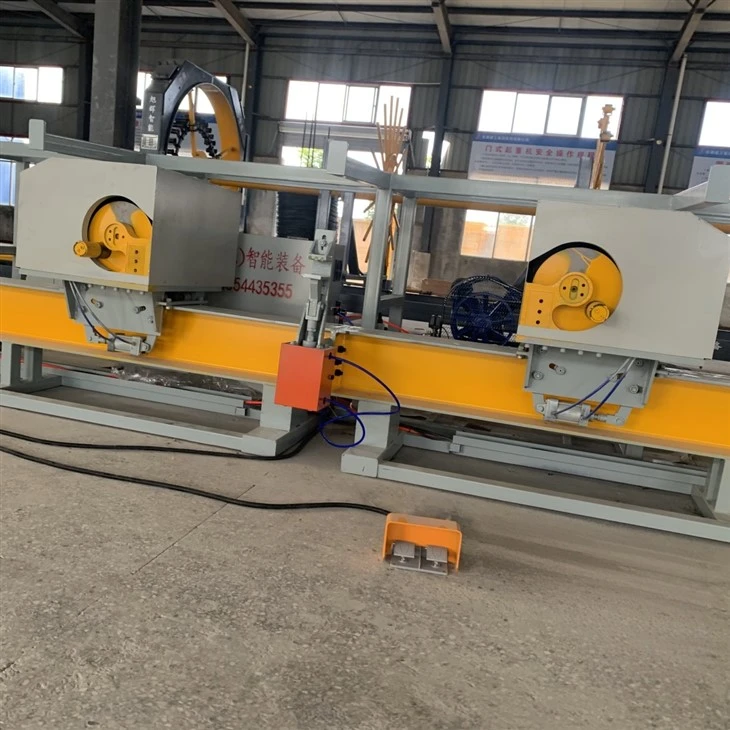
As a leading supplier of bar bending machines, we offer a wide range of high - quality products to meet different customer needs. Our Modular Steel Bar Bending Machine is designed with modularity in mind, allowing for easy customization and expansion. It is suitable for various bar bending applications, from small - scale projects to large - scale construction sites.
If you are looking for a more advanced and automated solution, our CNC Steel Bending Center is the perfect choice. With computer - numerical - control technology, it can achieve high - precision and high - speed bending, significantly improving production efficiency.
For customers who prioritize high efficiency, our High - efficiency Selected Steel Bar Bending Machine is specifically designed to maximize productivity. It features advanced components and a user - friendly design, making it easy to operate and maintain.
Contact Us for Purchase
If you are interested in our bar bending machines or have any questions about operating the machines, please feel free to contact us. Our professional sales team will be more than happy to provide you with detailed product information, technical support, and competitive pricing. We look forward to establishing a long - term business relationship with you and helping you achieve your project goals.
References
- Machinery Handbook: A comprehensive guide to the operation and maintenance of industrial machinery, which provides in - depth knowledge about bar bending machines.
- Steel Construction Manual: This manual offers detailed information on the use of steel bars in construction, including the requirements for bar bending.