

As a seasoned supplier of bar bending machines, I've witnessed firsthand the transformative impact these machines have on construction and manufacturing projects. Understanding the installation process of a bar bending machine is crucial for ensuring its optimal performance and longevity. In this blog post, I'll guide you through the step-by-step installation process, offering insights and tips based on my years of experience in the industry.
Pre-Installation Preparations
Before you begin the installation process, it's essential to make thorough preparations to ensure a smooth and successful installation. Here are some key steps to take:
Site Selection
Choose a suitable location for the bar bending machine that meets the following criteria:
- Stable Surface: The machine should be installed on a flat, level, and stable surface to prevent vibrations and ensure accurate bending.
- Adequate Space: Provide sufficient space around the machine for easy operation, maintenance, and access to the control panel.
- Ventilation: Ensure proper ventilation in the installation area to prevent overheating of the machine's components.
- Accessibility: The location should be easily accessible for loading and unloading steel bars.
Machine Inspection
Before installation, carefully inspect the bar bending machine for any damage or missing parts. Check the following components:
- Frame and Structure: Inspect the frame for any cracks, dents, or deformations. Ensure that all bolts and nuts are tightened securely.
- Bending Dies: Check the bending dies for wear and tear. Replace any damaged or worn-out dies before installation.
- Electrical System: Inspect the electrical wiring and connections for any signs of damage or loose connections. Ensure that the machine is properly grounded.
- Hydraulic System: Check the hydraulic hoses and fittings for leaks. Inspect the hydraulic fluid level and quality.
Tool and Equipment Preparation
Gather the necessary tools and equipment for the installation process, including:
- Wrenches and Screwdrivers: Various sizes of wrenches and screwdrivers for tightening bolts and nuts.
- Hoisting Equipment: If the machine is heavy, you may need hoisting equipment such as a crane or forklift to lift and position the machine.
- Measuring Tools: Tape measure, level, and plumb bob for ensuring proper alignment and leveling of the machine.
- Safety Equipment: Personal protective equipment (PPE) such as gloves, safety glasses, and hard hats.
Installation Steps
Once you've completed the pre-installation preparations, you can proceed with the installation process. Here are the general steps involved in installing a bar bending machine:
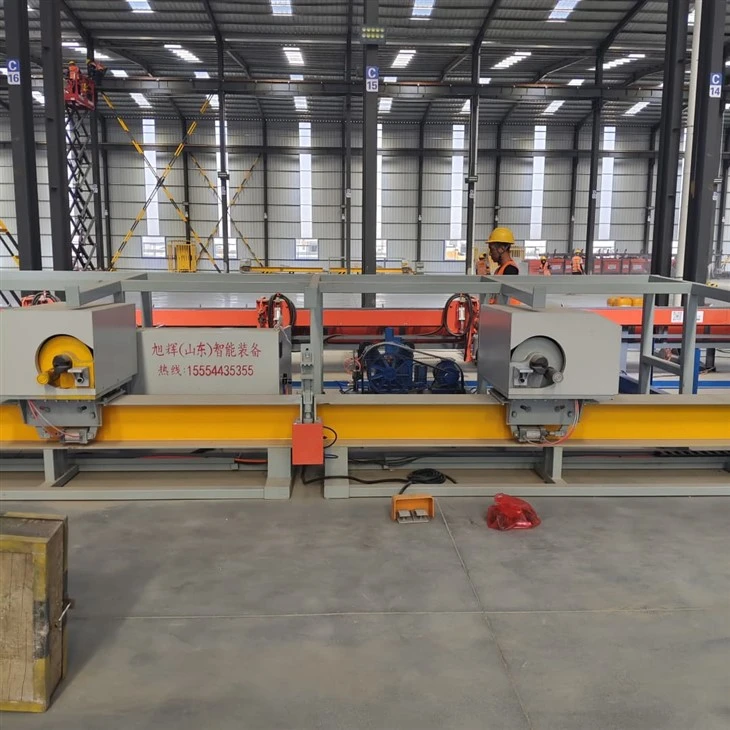

Step 1: Unloading and Positioning
- Use the hoisting equipment to unload the bar bending machine from the transportation vehicle and position it at the selected installation site.
- Ensure that the machine is placed on a flat and level surface. Use a level to check the horizontal and vertical alignment of the machine.
Step 2: Foundation Installation (if required)
- Some bar bending machines may require a concrete foundation for stability. If a foundation is required, follow these steps:
- Mark the Foundation Area: Use a tape measure and chalk to mark the area where the foundation will be installed.
- Excavate the Foundation Pit: Dig the foundation pit to the required depth and dimensions.
- Install Reinforcement Bars: Place reinforcement bars in the foundation pit according to the design specifications.
- Pour Concrete: Pour concrete into the foundation pit and use a vibrator to ensure proper compaction.
- Allow the Concrete to Cure: Let the concrete cure for the recommended period before installing the machine.
Step 3: Machine Assembly
- If the bar bending machine is delivered in multiple parts, follow the manufacturer's instructions to assemble the machine.
- Start by attaching the main frame components using bolts and nuts. Ensure that all connections are tight and secure.
- Install the bending dies and other accessories according to the machine's specifications.
Step 4: Electrical and Hydraulic Connections
- Connect the electrical wiring to the machine's control panel. Follow the electrical diagram provided by the manufacturer to ensure proper connections.
- Connect the hydraulic hoses to the hydraulic pump and other hydraulic components. Use appropriate fittings and ensure that all connections are leak-free.
- Fill the hydraulic reservoir with the recommended hydraulic fluid to the proper level.
Step 5: Testing and Calibration
- Before using the bar bending machine, perform a series of tests to ensure its proper operation.
- Electrical System Test: Turn on the power supply and check the electrical system for any faults or malfunctions. Test the control panel functions and ensure that all indicators are working correctly.
- Hydraulic System Test: Start the hydraulic pump and check the hydraulic system for leaks. Operate the bending mechanism to ensure smooth movement and proper pressure.
- Bending Accuracy Test: Use a sample steel bar to test the bending accuracy of the machine. Measure the bent angle and compare it with the desired angle. Make any necessary adjustments to the machine's settings.
Step 6: Training and Operator Manual
- Provide training to the machine operators on the proper use and maintenance of the bar bending machine.
- Ensure that the operators are familiar with the machine's controls, safety features, and operating procedures.
- Provide the operators with a copy of the machine's operator manual for reference.
Post-Installation Considerations
After the installation and testing of the bar bending machine, there are several post-installation considerations to keep in mind:
Maintenance Schedule
- Establish a regular maintenance schedule for the bar bending machine to ensure its optimal performance and longevity.
- Follow the manufacturer's recommendations for maintenance tasks such as lubrication, filter replacement, and inspection of components.
- Keep a record of all maintenance activities for future reference.
Safety Precautions
- Ensure that all safety guards and devices are installed and functioning properly.
- Provide safety training to the operators on the proper use of the machine and the importance of following safety procedures.
- Encourage the operators to wear appropriate personal protective equipment (PPE) at all times.
Spare Parts Inventory
- Maintain an inventory of essential spare parts for the bar bending machine. This will help minimize downtime in case of a breakdown.
- Order spare parts from the manufacturer or authorized distributors to ensure compatibility and quality.
Conclusion
Installing a bar bending machine requires careful planning, preparation, and attention to detail. By following the steps outlined in this blog post, you can ensure a smooth and successful installation process. Remember to prioritize safety and maintenance to maximize the performance and lifespan of your bar bending machine.
If you're in the market for a high-quality bar bending machine, we offer a wide range of options to meet your specific needs. Our CNC Steel Bar Forming Machine, Rebar Bending Machine, and Fully Automatic Steel Bar Bending Center are designed to provide accurate and efficient bending of steel bars. Contact us today to discuss your requirements and explore our product offerings. We look forward to partnering with you to enhance your construction and manufacturing projects.
References
- Manufacturer's Installation Manuals
- Industry Standards and Guidelines for Bar Bending Machine Installation