

Hey there! As a supplier of Steel Mesh Welding Robots, I often get asked about the power consumption of these nifty machines. It's a valid question, especially when you're looking to cut down on energy costs and make your operations more sustainable. So, let's dive right in and explore how much power a steel mesh welding robot actually consumes.
First off, it's important to understand that the power consumption of a steel mesh welding robot can vary widely depending on several factors. These include the size and complexity of the robot, the welding process it uses, the frequency of operation, and the specific tasks it's performing. For example, a large-scale Large Steel Mesh Welding Machine designed for heavy-duty industrial use is likely to consume more power than a smaller, more compact model.
One of the primary factors influencing power consumption is the welding process itself. There are several different welding processes used in steel mesh welding, each with its own power requirements. The most common processes include resistance welding, arc welding, and laser welding.
Resistance welding is a popular choice for steel mesh welding due to its efficiency and reliability. In this process, an electric current is passed through the metal pieces to be joined, generating heat at the contact points. The heat causes the metal to melt and fuse together. Resistance welding machines typically have a relatively high power consumption, as they need to generate a large amount of heat quickly. However, the actual power consumption can vary depending on the size and thickness of the metal pieces being welded, as well as the welding time.
Arc welding, on the other hand, uses an electric arc to melt the metal. This process is often used for thicker metal pieces and can be more energy-intensive than resistance welding. The power consumption of an arc welding robot depends on the type of arc welding process used (e.g., shielded metal arc welding, gas metal arc welding), the welding current, and the welding speed.
Laser welding is a more advanced and precise welding process that uses a high-powered laser beam to melt and fuse the metal. Laser welding machines are generally more energy-efficient than resistance welding and arc welding machines, as they can focus the energy precisely on the welding area. However, the initial cost of a laser welding robot is typically higher, and the power consumption can still be significant, especially for large-scale applications.
Another factor that can affect power consumption is the frequency of operation. If a steel mesh welding robot is running continuously for long periods of time, it will naturally consume more power than a robot that is used intermittently. Additionally, the efficiency of the robot's control system and motor can also impact power consumption. A well-designed control system can optimize the robot's operation, reducing unnecessary power usage.
To get a better idea of the power consumption of a specific steel mesh welding robot, it's important to look at the manufacturer's specifications. Most manufacturers provide detailed information about the power requirements of their robots, including the rated power, the average power consumption, and the maximum power consumption. These specifications can give you a good estimate of how much power the robot will consume under normal operating conditions.
In addition to the power consumption of the welding process itself, it's also important to consider the power requirements of the robot's other components, such as the motors, sensors, and control systems. These components also consume power, although the amount is typically much smaller compared to the welding process.
So, how can you reduce the power consumption of a steel mesh welding robot? Here are a few tips:
- Choose the right welding process: Select a welding process that is appropriate for the type and thickness of the metal you are welding. This can help you optimize the power consumption and improve the quality of the welds.
- Optimize the welding parameters: Adjust the welding parameters, such as the welding current, voltage, and time, to minimize the power consumption while still achieving the desired weld quality.
- Use energy-efficient components: Look for robots that are equipped with energy-efficient motors, sensors, and control systems. These components can help reduce the overall power consumption of the robot.
- Implement a maintenance schedule: Regular maintenance of the robot can help ensure that it is operating at peak efficiency. This includes cleaning the welding electrodes, checking the electrical connections, and lubricating the moving parts.
- Consider using renewable energy sources: If possible, power your steel mesh welding robot using renewable energy sources, such as solar panels or wind turbines. This can help reduce your carbon footprint and lower your energy costs in the long run.
As a supplier of Steel Mesh Welding Robots, we understand the importance of energy efficiency and sustainability. That's why we offer a range of robots that are designed to be as energy-efficient as possible without compromising on performance. Our Intelligent Mesh Welding Production Line and Tunnel Steel Mesh Forming Machine are equipped with advanced control systems and energy-efficient components, helping you reduce your power consumption and operating costs.
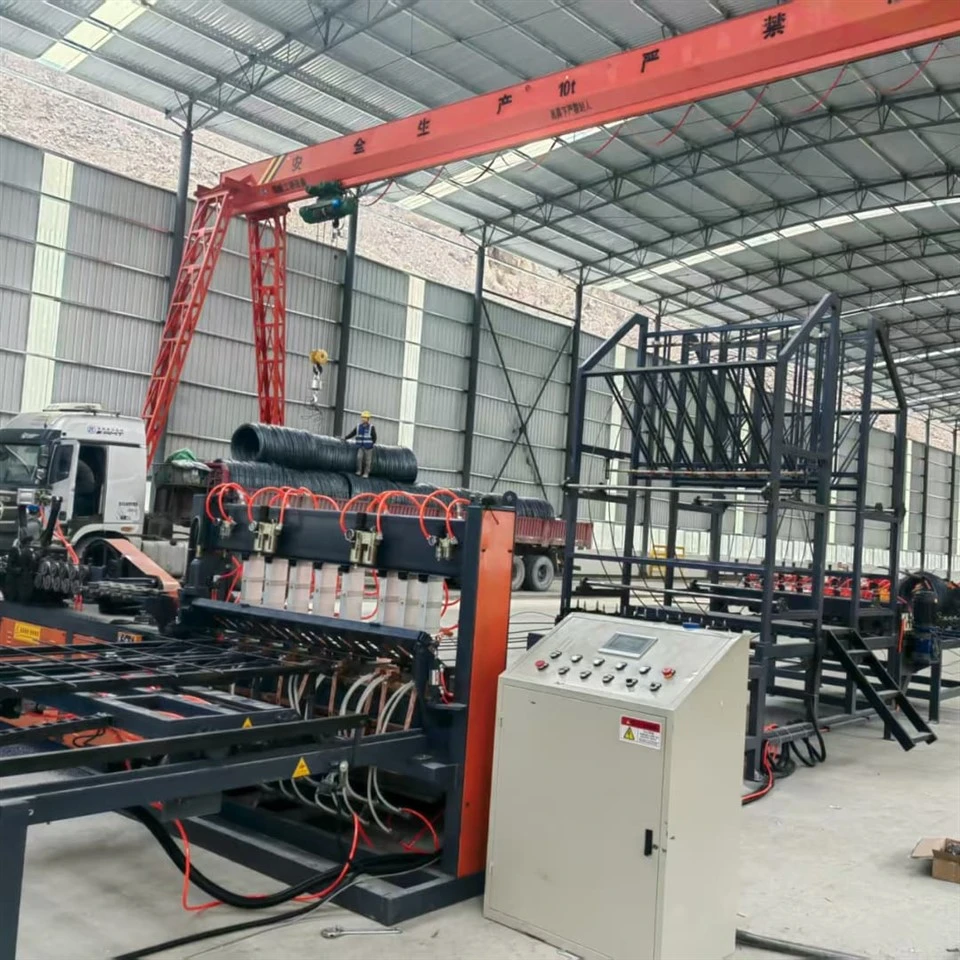
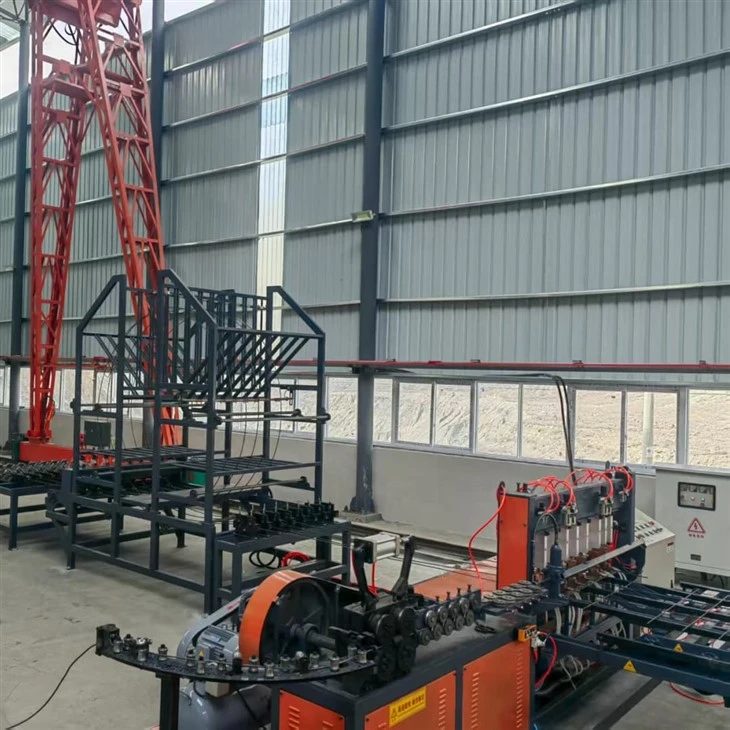
If you're interested in learning more about our steel mesh welding robots and how they can help you improve your productivity and reduce your energy costs, please don't hesitate to contact us. Our team of experts is always ready to answer your questions and provide you with the information you need to make an informed decision. Whether you're a small business looking to upgrade your welding equipment or a large industrial manufacturer in need of a custom solution, we can help you find the right steel mesh welding robot for your needs.
In conclusion, the power consumption of a steel mesh welding robot can vary depending on several factors, including the welding process, the frequency of operation, and the specific tasks it's performing. By understanding these factors and taking steps to optimize the robot's operation, you can reduce power consumption and improve the efficiency of your welding operations. If you have any further questions or would like to discuss your specific requirements, feel free to reach out. We're here to help you make the most of your investment in steel mesh welding technology.
References
- Welding Handbook, American Welding Society
- Steel Mesh Welding Technology, Industry Research Reports