

Hey there! As a supplier of Steel Cage Rolling Machines, I often get asked about the power consumption of these machines. It's a crucial question, especially for those looking to manage their operational costs and understand the overall efficiency of their equipment. So, let's dive right into it and break down what goes into the power consumption of a Steel Cage Rolling Machine.
First off, it's important to understand that the power consumption of a Steel Cage Rolling Machine can vary widely depending on several factors. One of the primary factors is the size and capacity of the machine. Larger machines with higher production capacities generally require more power to operate. This is because they need to drive larger motors and handle heavier loads of steel. For instance, a small - scale Steel Cage Rolling Machine used for light - duty applications might have a relatively low power consumption, perhaps in the range of 5 - 10 kilowatts (kW). On the other hand, a large industrial - grade machine designed for high - volume production could consume anywhere from 20 kW to 50 kW or even more.
Another significant factor is the type of motor used in the machine. Most Steel Cage Rolling Machines are equipped with electric motors, and the efficiency of these motors plays a big role in power consumption. High - efficiency motors are designed to convert a greater percentage of electrical energy into mechanical energy, which means they use less power to achieve the same level of performance as less efficient motors. For example, a motor with an efficiency rating of 90% will use less electricity than one with an 80% efficiency rating when performing the same task. When choosing a Steel Cage Rolling Machine, it's a good idea to look for models with high - efficiency motors to reduce long - term power costs.

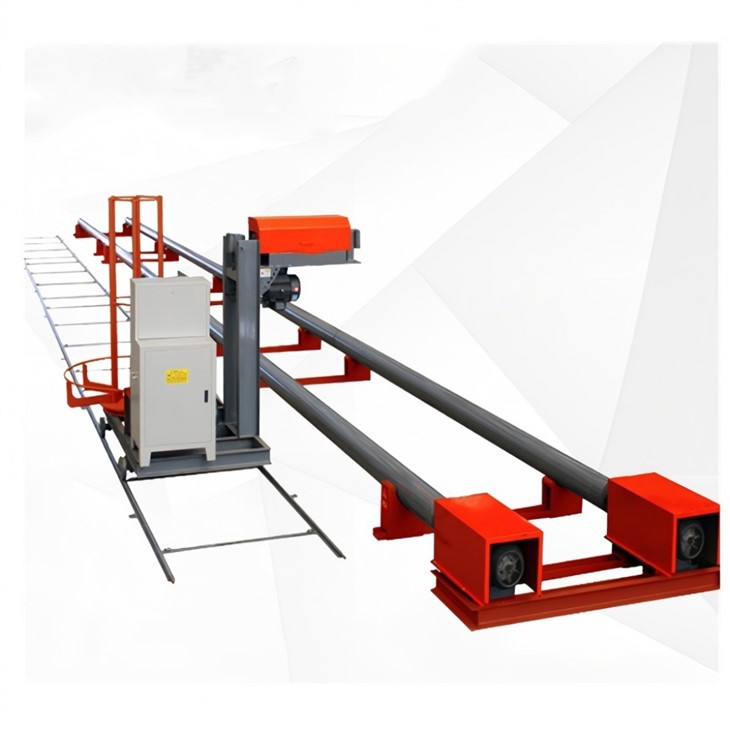
The complexity of the machine's operation also affects power consumption. Machines with more advanced features and functions, such as automated controls, precision cutting mechanisms, and multiple processing stations, will generally consume more power. These additional features require more electrical components to operate, which in turn increases the overall power demand. For example, a Steel Cage Rolling Machine with an integrated welding function will consume more power than a basic machine that only performs the rolling process.
The speed at which the machine operates is another variable. Faster operation usually means higher power consumption. If you need to produce steel cages at a high rate, the machine will have to work harder and use more energy to maintain that speed. However, it's important to find a balance between speed and power consumption based on your production requirements. Sometimes, running the machine at a slightly lower speed can result in significant power savings without sacrificing too much in terms of productivity.
Now, let's talk about some real - world examples to give you a better idea of power consumption. Suppose you're using a mid - sized Steel Cage Rolling Machine with a 15 kW motor to produce steel cages for a construction project. If the machine runs continuously for 8 hours a day, it will consume approximately 120 kilowatt - hours (kWh) of electricity per day (15 kW x 8 hours). Over a month (assuming 20 working days), that's 2400 kWh. The cost of this electricity will depend on your local electricity rates.
When it comes to reducing power consumption, there are a few strategies you can implement. Regular maintenance of the machine is essential. Keeping the motors well - lubricated, the belts properly tensioned, and the cutting tools sharp can improve the machine's efficiency and reduce power usage. Additionally, using energy - saving modes if available on the machine can also help. Some modern Steel Cage Rolling Machines are equipped with features that automatically adjust the power output based on the workload, which can lead to significant savings over time.
As a supplier, I offer a range of Steel Cage Rolling Machines to meet different needs and budgets. If you're interested in learning more about the power consumption of our specific models, feel free to check out our product pages. For example, our Rebar Cage Winding Workstation is designed for precision work and has been optimized for energy efficiency. Our Steel Cage Winding Forming Production Line is a high - capacity solution that offers advanced features while still being mindful of power consumption. And our Steel Cage Winding and Welding Machine combines multiple functions in one unit, with a power management system to help control costs.
If you're in the market for a Steel Cage Rolling Machine, I encourage you to reach out to discuss your specific requirements. Whether you're a small - scale contractor or a large industrial company, we can help you find the right machine with the optimal power consumption for your operations. By understanding the factors that affect power consumption and choosing the right equipment, you can not only save on energy costs but also improve the overall efficiency of your production process.
In conclusion, the power consumption of a Steel Cage Rolling Machine is influenced by many factors, including machine size, motor efficiency, operation complexity, and speed. By being aware of these factors and taking steps to reduce power usage, you can make a more informed decision when purchasing a machine. If you have any questions or want to learn more about our products, don't hesitate to get in touch. Let's work together to find the perfect Steel Cage Rolling Machine for your business.
References
- General knowledge of steel cage rolling machine technology and power consumption principles.
- Industry reports on energy - efficient industrial machinery.