

What is the maximum bending angle of a CNC horizontal bending machine?
As a supplier of CNC Horizontal Bending Machines, I often encounter questions from customers regarding the capabilities of our machines, especially the maximum bending angle. In this blog, I will delve into this topic, exploring the factors that influence the maximum bending angle and providing insights into our products' performance.
Understanding the Basics of CNC Horizontal Bending Machines
CNC (Computer Numerical Control) horizontal bending machines are advanced pieces of equipment designed to bend various materials, such as steel bars, with high precision and efficiency. These machines are widely used in construction, manufacturing, and other industries where accurate bending of materials is required.
The bending process in a CNC horizontal bending machine involves clamping the material between a bending die and a pressure die and then applying force to bend the material to the desired angle. The machine's computer control system allows for precise control of the bending angle, speed, and other parameters, ensuring consistent and accurate results.
Factors Affecting the Maximum Bending Angle
The maximum bending angle of a CNC horizontal bending machine is influenced by several factors, including the following:
- Material Properties: Different materials have different mechanical properties, such as hardness, ductility, and tensile strength, which can affect their ability to be bent. For example, materials with high hardness and low ductility may require more force to bend and may have a lower maximum bending angle compared to materials with lower hardness and higher ductility.
- Bending Die Design: The design of the bending die plays a crucial role in determining the maximum bending angle. The shape, size, and radius of the bending die can affect the distribution of stress and strain during the bending process, which can in turn affect the maximum bending angle. A well-designed bending die can minimize stress concentration and prevent material cracking or breaking, allowing for a larger maximum bending angle.
- Machine Capacity: The capacity of the CNC horizontal bending machine, including its power, torque, and bending force, can also affect the maximum bending angle. A machine with higher power and bending force can apply more force to the material, allowing for a larger maximum bending angle. However, it is important to note that exceeding the machine's capacity can cause damage to the machine and the material.
- Bending Speed: The bending speed can also affect the maximum bending angle. A higher bending speed can increase the stress and strain on the material, which can reduce the maximum bending angle. Therefore, it is important to select an appropriate bending speed based on the material properties and the desired bending angle.
Maximum Bending Angle of Our CNC Horizontal Bending Machines
At our company, we offer a range of CNC horizontal bending machines with different specifications and capabilities to meet the diverse needs of our customers. The maximum bending angle of our machines typically ranges from 0° to 180°, depending on the material properties, bending die design, and machine capacity.
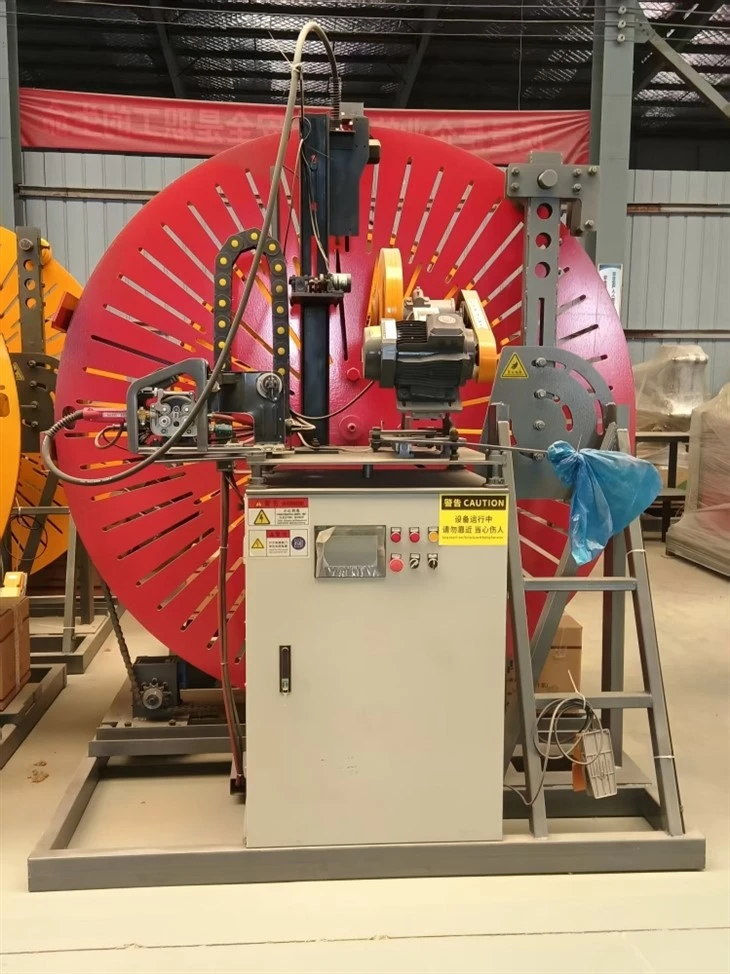
For example, our Fully Automatic Steel Bar Bending Machine is designed to bend steel bars with a maximum bending angle of 180°. This machine is equipped with advanced CNC control technology and high-quality bending dies, ensuring precise and efficient bending of steel bars.
Our High-efficiency And Precise Steel Bar Bending Machine is another popular model that offers a maximum bending angle of 180°. This machine is designed for high-volume production and features a fast bending speed and high precision, making it ideal for applications where efficiency and accuracy are critical.
In addition, our Bridge Steel Bar Bending Equipment is specifically designed for bending steel bars used in bridge construction. This machine offers a maximum bending angle of 180° and is capable of handling large-diameter steel bars with high precision and efficiency.
Importance of Choosing the Right Machine
Choosing the right CNC horizontal bending machine is crucial to ensure that you can achieve the desired bending angle and quality of the bent parts. When selecting a machine, it is important to consider the following factors:

- Material Requirements: Consider the type, size, and thickness of the materials you will be bending. Different machines are designed to handle different materials and sizes, so it is important to choose a machine that can meet your specific requirements.
- Bending Angle Requirements: Determine the maximum bending angle you need to achieve for your application. Make sure the machine you choose can provide the required bending angle with the desired precision and accuracy.
- Production Volume: Consider the volume of parts you need to produce. If you have a high production volume, you may need a machine with a higher bending speed and capacity to ensure efficient production.
- Budget: Set a budget for your machine purchase and look for a machine that offers the best value for your money. Consider the features, performance, and reliability of the machine in addition to its price.
Conclusion
The maximum bending angle of a CNC horizontal bending machine is influenced by several factors, including material properties, bending die design, machine capacity, and bending speed. At our company, we offer a range of CNC horizontal bending machines with different specifications and capabilities to meet the diverse needs of our customers. Our machines are designed to provide high precision, efficiency, and reliability, ensuring that you can achieve the desired bending angle and quality of the bent parts.
If you are interested in learning more about our CNC horizontal bending machines or would like to discuss your specific requirements, please feel free to contact us. Our team of experts will be happy to assist you and provide you with the information and support you need to make an informed decision.
References
- Smith, J. (2020). CNC Machining Handbook. Industrial Press Inc.
- Brown, A. (2019). Bending and Forming of Metals. ASM International.
- Johnson, R. (2018). Machine Tool Technology. Pearson Education.