

As a supplier of Steel Cage Rolling Machines, I've witnessed firsthand the challenges that come with machine operation, especially the issue of vibration. Excessive vibration not only affects the quality of the products but also raises concerns about machine longevity and operator safety. In this blog, I'll share some effective strategies to reduce the vibration of a Steel Cage Rolling Machine.
Understanding the Causes of Vibration
Before we can address the vibration issue, we need to understand its root causes. Vibration in a Steel Cage Rolling Machine can stem from several factors:
- Imbalanced Components: If the rotating parts of the machine, such as the rollers or shafts, are not perfectly balanced, it can lead to uneven forces and cause vibration. For example, if the rollers have uneven weights distributed around their circumference, they will create an unbalanced force as they rotate, resulting in vibration.
- Loose Fasteners: Over time, the fasteners that hold different parts of the machine together can become loose. Loose bolts, nuts, or screws can cause components to move slightly, leading to vibration. This is especially common in machines that operate under high - speed and high - stress conditions.
- Worn - Out Bearings: Bearings are crucial components that support the rotating parts of the machine. When bearings wear out, they can no longer provide smooth support, which can cause the machine to vibrate. Worn bearings may also produce noise, which is often an early sign of a bearing problem.
- Incorrect Machine Alignment: If the various components of the Steel Cage Rolling Machine are not properly aligned, it can lead to uneven forces and vibration. For instance, if the rollers are not parallel to each other, the cage being rolled may experience uneven stress, causing the machine to vibrate.
Strategies to Reduce Vibration
1. Balancing the Components
- Dynamic Balancing: Use a dynamic balancing machine to ensure that all rotating parts are balanced. This process involves measuring the imbalance of the component and then adding or removing weight to correct it. For example, in a Steel Cage Rolling Machine, the rollers can be balanced to reduce vibration during operation.
- Regular Inspection: Conduct regular inspections of the rotating parts to check for any signs of imbalance. If an imbalance is detected early, it can be corrected before it causes significant vibration.
2. Tightening Loose Fasteners
- Scheduled Maintenance: Establish a regular maintenance schedule to check and tighten all the fasteners on the machine. This should include daily visual inspections and periodic complete checks of all bolts, nuts, and screws.
- Use of Locking Devices: To prevent fasteners from loosening over time, consider using locking devices such as lock washers or thread - locking compounds. These devices can help keep the fasteners in place and reduce the risk of vibration caused by loose parts.
3. Replacing Worn - Out Bearings
- Regular Bearing Inspection: Implement a routine inspection program to check the condition of the bearings. Look for signs of wear, such as excessive play, noise, or heat generation. If a bearing shows any of these signs, it should be replaced immediately.
- Using High - Quality Bearings: Invest in high - quality bearings that are designed to withstand the operating conditions of the Steel Cage Rolling Machine. High - quality bearings are less likely to wear out quickly and can help reduce vibration.
4. Correcting Machine Alignment
- Initial Installation: Ensure that the machine is installed correctly from the start. This includes aligning all the components, such as the rollers, shafts, and frames, to ensure smooth operation. Use precision measuring tools to check the alignment during installation.
- Regular Alignment Checks: Conduct regular alignment checks during the machine's operation. Over time, the machine may shift or settle, which can cause misalignment. By checking and correcting the alignment regularly, you can prevent vibration caused by misaligned components.
The Role of Machine Design and Technology
In addition to the above strategies, the design and technology of the Steel Cage Rolling Machine also play a crucial role in reducing vibration.

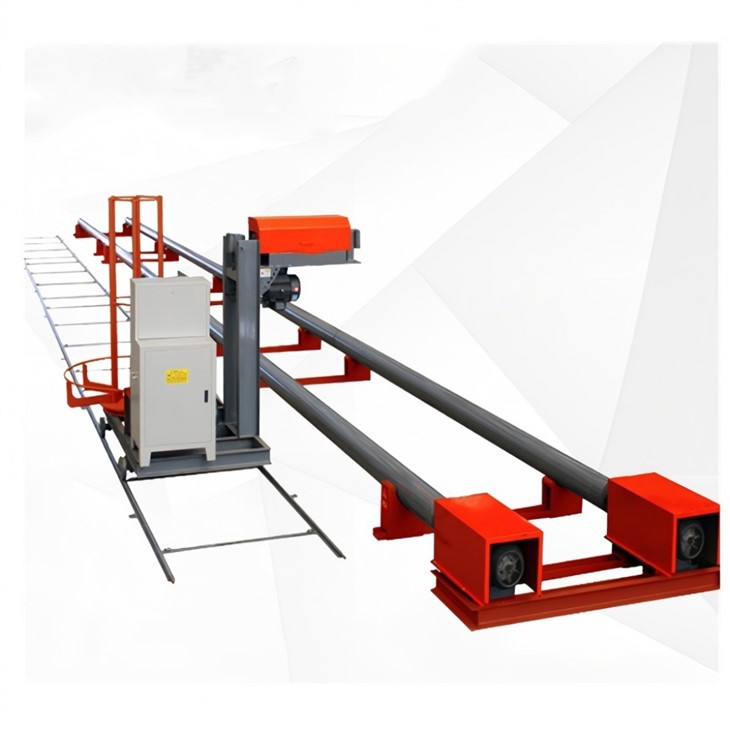
1. Advanced Design Features
- Sturdy Frame Design: A well - designed frame can provide a stable base for the machine and help absorb vibrations. The frame should be made of high - strength materials and have a rigid structure to minimize vibration transmission.
- Vibration - Dampening Materials: Incorporate vibration - dampening materials in the machine's construction. For example, rubber pads or isolators can be used between the machine and the floor to reduce the transfer of vibration.
2. Smart Control Systems
- Feedback Control: Implement a feedback control system that can monitor the vibration level of the machine in real - time. If the vibration exceeds a certain threshold, the system can automatically adjust the machine's operating parameters to reduce vibration.
- Predictive Maintenance: Use advanced sensors and analytics to predict when components are likely to fail or cause vibration. This allows for proactive maintenance, which can prevent vibration issues before they occur.
The Impact of Reducing Vibration
Reducing the vibration of a Steel Cage Rolling Machine has several benefits:
- Improved Product Quality: Less vibration means more consistent and accurate rolling of the steel cages. This results in higher - quality products with fewer defects.
- Extended Machine Life: By reducing the stress on the machine's components, vibration reduction can extend the lifespan of the Steel Cage Rolling Machine. This reduces the need for frequent repairs and replacements, saving costs in the long run.
- Enhanced Operator Safety: Excessive vibration can pose a safety risk to operators. By reducing vibration, the machine becomes safer to operate, reducing the likelihood of accidents.
Conclusion
Reducing the vibration of a Steel Cage Rolling Machine is essential for improving product quality, extending machine life, and ensuring operator safety. By understanding the causes of vibration and implementing the strategies mentioned above, we can effectively minimize vibration and optimize the performance of the machine.
If you are interested in our Steel Cage Rolling Machine, Steel Cage Winding and Welding Machine, or High - precision And Rapid Steel Cage Winding Machine, please feel free to reach out to us for more information and to discuss your specific requirements. We are committed to providing high - quality equipment and excellent service to meet your needs.
References
- Machinery Vibration Analysis Handbook, by John D. McFadden
- Maintenance and Reliability Best Practices for Industrial Equipment, by Thomas A. Ruggieri