

As a seasoned supplier of hydraulic shearing machines, I understand the critical role that hydraulic oil plays in the performance and longevity of these powerful machines. Selecting the right hydraulic oil is not just a matter of preference; it's a technical decision that can significantly impact the efficiency, reliability, and maintenance costs of your hydraulic shearing equipment. In this blog post, I'll share some insights on how to choose the right hydraulic oil for your hydraulic shearing machine.
Understanding the Basics of Hydraulic Oil
Hydraulic oil serves multiple functions in a hydraulic shearing machine. It transfers power, lubricates moving parts, dissipates heat, and seals clearances between components. Therefore, the properties of the hydraulic oil are crucial for the proper operation of the machine.
Viscosity
Viscosity is one of the most important properties of hydraulic oil. It refers to the oil's resistance to flow. In a hydraulic shearing machine, the oil needs to have the right viscosity to ensure efficient power transmission and proper lubrication. If the viscosity is too high, the oil will flow slowly, which can lead to increased energy consumption, slower machine operation, and poor system response. On the other hand, if the viscosity is too low, the oil may not provide adequate lubrication, resulting in increased wear and tear on the machine's components.
The viscosity of hydraulic oil is typically measured at two different temperatures: 40°C and 100°C. The viscosity index (VI) is a measure of how much the viscosity of the oil changes with temperature. A higher VI indicates that the oil's viscosity is more stable over a wide range of temperatures. For hydraulic shearing machines that operate in varying temperature conditions, it's recommended to choose an oil with a high VI.
Oxidation Stability
Oxidation stability is another important property of hydraulic oil. When hydraulic oil is exposed to oxygen, heat, and metal surfaces, it can oxidize, forming sludge, varnish, and acids. These oxidation by-products can clog filters, reduce the oil's lubricating properties, and damage the machine's components. Therefore, it's essential to choose a hydraulic oil with good oxidation stability to ensure long-term performance and reliability.
Anti-Wear Properties
Hydraulic shearing machines have many moving parts, such as pumps, valves, and cylinders, that are subject to friction and wear. A hydraulic oil with good anti-wear properties can help reduce friction and wear on these components, extending their service life and reducing maintenance costs. Anti-wear additives are typically added to hydraulic oil to enhance its anti-wear performance.
Demulsibility
Demulsibility refers to the ability of hydraulic oil to separate from water. In a hydraulic shearing machine, water can enter the system through condensation, leaks, or contaminated oil. If the oil cannot separate from water effectively, it can form an emulsion, which can reduce the oil's lubricating properties, cause corrosion, and damage the machine's components. Therefore, it's important to choose a hydraulic oil with good demulsibility to ensure the proper operation of the machine.
Factors to Consider When Choosing Hydraulic Oil
Machine Manufacturer's Recommendations
The first step in choosing the right hydraulic oil for your hydraulic shearing machine is to consult the machine manufacturer's recommendations. The manufacturer has extensive knowledge of the machine's design and operating requirements and can provide specific guidelines on the type and grade of hydraulic oil that is suitable for the machine. Following the manufacturer's recommendations can help ensure optimal performance and reliability of the machine and may also help maintain the machine's warranty.
Operating Conditions
The operating conditions of the hydraulic shearing machine, such as temperature, pressure, and load, can also affect the choice of hydraulic oil. For example, if the machine operates in a high-temperature environment, you may need to choose a hydraulic oil with a high viscosity index and good oxidation stability to prevent the oil from thinning out and oxidizing. If the machine operates under high pressure or heavy load, you may need to choose a hydraulic oil with good anti-wear properties to protect the machine's components.
System Design
The design of the hydraulic system in the shearing machine can also influence the choice of hydraulic oil. For example, some hydraulic systems may require a specific type of oil, such as a fire-resistant oil, to meet safety requirements. Other systems may have special filtration requirements, which may affect the choice of oil based on its ability to maintain cleanliness.
Compatibility with Seals and Gaskets
Hydraulic oil must be compatible with the seals and gaskets used in the hydraulic shearing machine. Incompatible oil can cause the seals and gaskets to swell, shrink, or harden, leading to leaks and other problems. Therefore, it's important to choose a hydraulic oil that is compatible with the materials used in the seals and gaskets to ensure proper sealing and prevent leaks.
Types of Hydraulic Oil
There are several types of hydraulic oil available on the market, each with its own unique properties and applications. Here are some of the most common types of hydraulic oil:
Mineral Oil
Mineral oil is the most widely used type of hydraulic oil. It is derived from crude oil and is available in a variety of viscosities and grades. Mineral oil is relatively inexpensive and has good lubricating properties, but it may not have the best oxidation stability or anti-wear performance. Mineral oil is suitable for most hydraulic shearing machines that operate under normal conditions.
Synthetic Oil
Synthetic oil is made from chemically synthesized compounds and offers superior performance compared to mineral oil. Synthetic oil has better oxidation stability, anti-wear properties, and viscosity index than mineral oil, making it suitable for hydraulic shearing machines that operate in extreme conditions, such as high temperatures, high pressures, or heavy loads. However, synthetic oil is more expensive than mineral oil.
Biodegradable Oil
Biodegradable oil is made from renewable resources, such as vegetable oils or esters, and is designed to be environmentally friendly. Biodegradable oil has good lubricating properties and is suitable for hydraulic shearing machines that are used in environmentally sensitive areas. However, biodegradable oil may have a shorter service life than mineral or synthetic oil and may require more frequent oil changes.
Conclusion
Choosing the right hydraulic oil for your hydraulic shearing machine is a critical decision that can have a significant impact on the machine's performance, reliability, and maintenance costs. By considering factors such as viscosity, oxidation stability, anti-wear properties, demulsibility, machine manufacturer's recommendations, operating conditions, system design, and compatibility with seals and gaskets, you can select the hydraulic oil that is best suited for your machine.
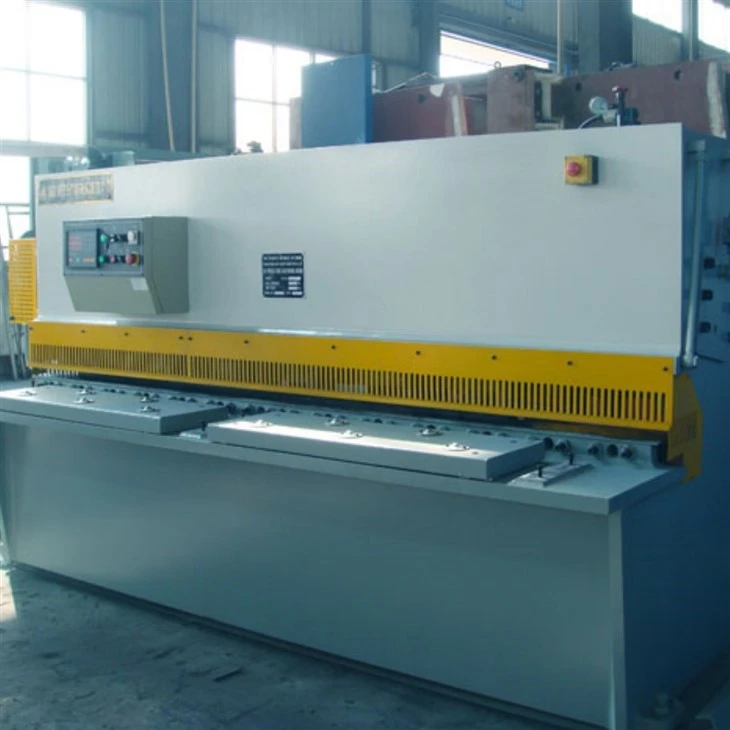
At our company, we offer a wide range of Hydraulic Shearing Equipment, including Hydraulic Sheet Metal Shearing Machine and CNC Hydraulic Shearing Machine. Our team of experts can provide you with professional advice on choosing the right hydraulic oil for your specific needs. If you are interested in our products or have any questions about hydraulic shearing machines or hydraulic oil selection, please feel free to contact us for further discussion and potential procurement.

References
- "Hydraulic Systems and Fluid Power" by John F. Dorgan
- "Fluid Power with Applications" by Anthony Esposito