

As a supplier of intelligent welding robots, I'm often asked about the installation process of these advanced machines. In this blog post, I'll walk you through the step-by-step installation process of an intelligent welding robot, providing you with a comprehensive understanding of what to expect when bringing one of our cutting-edge robots into your production facility.
Pre-Installation Preparation
Before the actual installation begins, thorough preparation is essential to ensure a smooth and efficient process. Here are the key steps to take:
Site Assessment
The first step is to conduct a detailed site assessment. This involves evaluating the physical space where the robot will be installed, including the floor strength, available power supply, and ventilation requirements. The floor must be able to support the weight of the robot and any additional equipment, such as welding power sources and worktables. Adequate power supply is crucial to ensure the robot operates at its optimal performance. Additionally, proper ventilation is necessary to remove welding fumes and maintain a safe working environment.
Equipment Inspection
Once the site assessment is complete, it's time to inspect the robot and all associated equipment. This includes checking for any damage during transit, verifying the completeness of the parts, and ensuring that all components are in good working condition. Our team of experts will carefully examine the robot's mechanical structure, electrical system, and control software to identify and address any potential issues before installation.
Operator Training
Before the robot is installed, it's important to provide training to the operators who will be using it. Our training program covers a wide range of topics, including robot operation, programming, maintenance, and safety procedures. By ensuring that your operators are well-trained, you can maximize the efficiency and productivity of the robot while minimizing the risk of accidents and downtime.
Installation Process
With the pre-installation preparation complete, it's time to start the actual installation process. Here are the main steps involved:
Foundation Installation
The first step in the installation process is to install the foundation for the robot. This typically involves pouring a concrete base or using a pre-fabricated foundation plate. The foundation must be level and securely anchored to the floor to ensure the stability of the robot during operation. Our installation team will carefully measure and mark the location of the foundation, ensuring that it meets the specifications of the robot.
Robot Assembly
Once the foundation is installed, the next step is to assemble the robot. This involves mounting the robot's base, arm, and end effector on the foundation, and connecting all the mechanical and electrical components. Our experienced technicians will follow the manufacturer's instructions to ensure that the robot is assembled correctly and safely. During the assembly process, we will also perform a series of tests to verify the functionality of the robot.
Electrical and Control System Installation
After the robot is assembled, it's time to install the electrical and control system. This includes connecting the robot to the power supply, installing the control cabinet, and wiring the sensors and actuators. Our team of electricians will ensure that all electrical connections are properly made and that the control system is configured correctly. We will also perform a series of tests to verify the functionality of the electrical and control system.
Welding Equipment Installation
In addition to the robot itself, you'll also need to install the welding equipment, such as the welding power source, wire feeder, and torch. Our installation team will work closely with you to select the appropriate welding equipment based on your specific requirements and will ensure that it is installed and integrated with the robot correctly. We will also provide training on how to operate and maintain the welding equipment.
Programming and Calibration
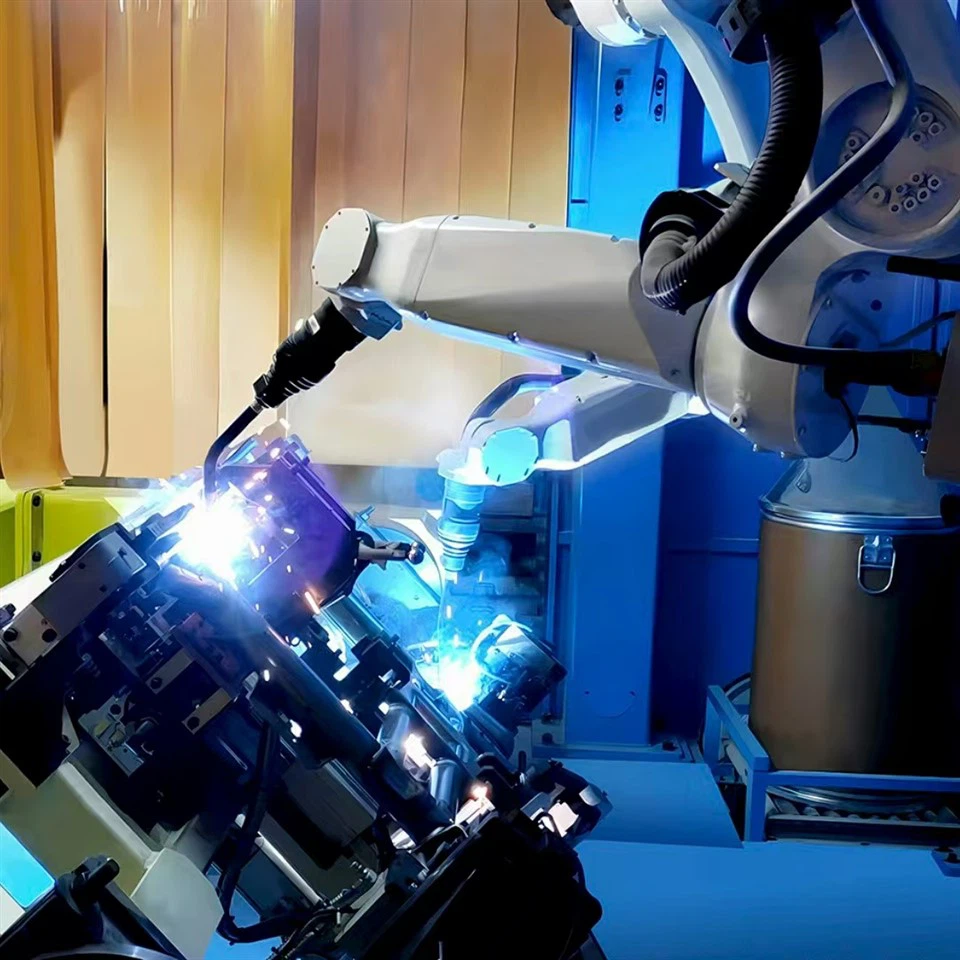
Once the robot and welding equipment are installed, it's time to program and calibrate the robot. This involves teaching the robot the desired welding path, setting the welding parameters, and calibrating the sensors and actuators. Our programming experts will use advanced software tools to create a customized welding program for your specific application. We will also perform a series of tests to verify the accuracy and repeatability of the robot's movements.
Post-Installation Testing and Commissioning
After the installation is complete, it's time to conduct a series of tests and commissioning activities to ensure that the robot is operating correctly and meeting your requirements. Here are the main steps involved:
Functional Testing
The first step in the post-installation testing process is to perform a series of functional tests to verify the functionality of the robot and all associated equipment. This includes testing the robot's movements, the welding process, and the control system. Our technicians will carefully monitor the robot's performance and make any necessary adjustments to ensure that it is operating smoothly and efficiently.
Performance Testing
Once the functional tests are complete, it's time to perform a series of performance tests to evaluate the robot's performance under real-world conditions. This includes testing the robot's welding quality, productivity, and repeatability. Our team of experts will use a variety of testing methods and equipment to measure the robot's performance and will provide you with a detailed report of the results.
Operator Training and Support
After the performance tests are complete, it's time to provide final training to the operators and to offer ongoing support. Our training program will cover a wide range of topics, including robot operation, programming, maintenance, and troubleshooting. We will also provide you with a comprehensive user manual and technical support to ensure that you have all the resources you need to operate the robot effectively.
Conclusion
Installing an intelligent welding robot is a complex process that requires careful planning, preparation, and execution. By following the steps outlined in this blog post, you can ensure that your robot is installed correctly and safely, and that it is operating at its optimal performance. As a leading supplier of intelligent welding robots, we have the expertise and experience to help you with every step of the installation process. Whether you're looking for a Multi-functional Integrated Welding Robot, an Intelligent Grasping Robot, or an Intelligent Welding Manipulator, we have the right solution for your needs.
If you're interested in learning more about our intelligent welding robots or would like to discuss your specific requirements, please don't hesitate to contact us. Our team of experts is ready to assist you with your procurement and installation process.

References
- Robotics Industry Association. (2023). Installation Guidelines for Industrial Robots.
- American Welding Society. (2023). Welding Automation and Robotics Handbook.
- Manufacturer's Installation Manual for Intelligent Welding Robots.