

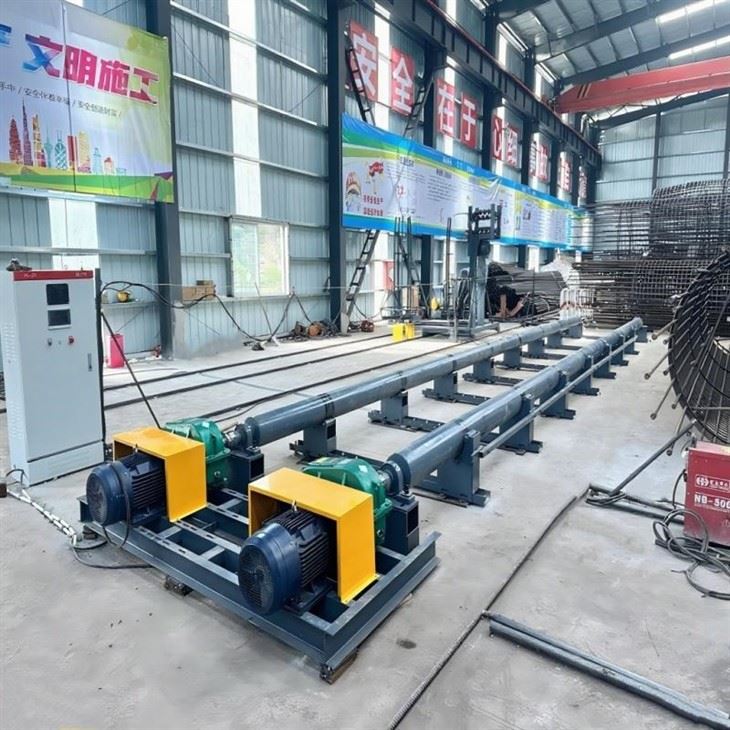
Transporting a Steel Cage Rolling Machine can be a daunting task, but with the right approach, it can be done smoothly. As a supplier of Steel Cage Rolling Machine, I've had my fair share of experiences in getting these machines from our facility to our customers' sites. In this blog, I'll share some tips and tricks on how to transport a Steel Cage Rolling Machine effectively.
Pre - Transport Preparation
Before you even think about moving the machine, you need to do some thorough preparation. First off, you've got to assess the machine's dimensions and weight. Steel Cage Rolling Machines can be pretty hefty and bulky, so you need to know exactly how big and heavy it is. This information will help you choose the right transportation method and equipment.
Next, you should clean the machine. Remove any loose debris, dirt, or grease. This not only makes it easier to handle but also helps in identifying any potential issues or damages that might occur during transport.
It's also crucial to document the machine's condition. Take photos from different angles, noting down any existing scratches, dents, or other damages. This documentation will be useful in case of any disputes with the shipping company if new damages occur during transit.
Choosing the Right Transportation Method
There are several transportation methods available, and the choice depends on various factors such as distance, cost, and the machine's size.
Road Transport
If the destination is relatively close, road transport is often a good option. You can use a flat - bed truck or a specialized heavy - equipment hauler. Make sure the truck is the right size for the machine. The truck should have proper securing mechanisms like straps, chains, and winches to keep the machine in place during the journey.
When loading the machine onto the truck, use a forklift or a crane. Ensure that the machine is centered on the truck bed to maintain balance. Also, check the weight distribution to avoid any issues while driving.
Rail Transport
For longer distances, rail transport can be more cost - effective. However, it requires more planning. You'll need to coordinate with the railway company to arrange for a suitable railcar. Similar to road transport, the machine needs to be properly secured inside the railcar. Rail transport also has specific loading and unloading procedures that you need to follow.
Sea Transport
If the destination is overseas, sea transport is the way to go. You can use a container or a roll - on/roll - off (Ro - Ro) vessel. For container shipping, the machine needs to be disassembled if possible to fit into the container. Then, it should be properly packed and secured inside the container. Ro - Ro vessels are suitable for larger machines that can be driven or rolled onto the ship.
Packaging and Securing the Machine
Proper packaging is essential to protect the machine during transport. Use high - quality packaging materials such as wooden crates, foam padding, and plastic wraps.
Wooden Crates
A wooden crate provides a sturdy outer layer of protection. The crate should be custom - made to fit the machine snugly. Make sure the crate is well - constructed with strong joints and braces.
Foam Padding
Foam padding can be placed inside the crate to cushion the machine. It helps in absorbing shocks and vibrations during transport. Place the foam padding around the delicate parts of the machine, such as the control panels and electrical components.
Plastic Wraps
Plastic wraps can be used to protect the machine from moisture and dust. Wrap the machine tightly with plastic before placing it in the crate.
Securing the machine inside the transport vehicle is equally important. Use heavy - duty straps and chains to tie down the machine. Attach the straps to the machine's lifting points or other secure areas. Make sure the straps are tightened properly to prevent any movement.
Loading and Unloading
Loading and unloading are critical stages of the transportation process. You need to have experienced personnel and the right equipment.
Loading
When loading the machine, use a forklift or a crane. If using a forklift, ensure that the forks are the right size and are inserted correctly into the machine's lifting points. If using a crane, make sure the crane is rated for the weight of the machine. The lifting slings should be in good condition and attached securely.
Unloading
Unloading should be done in a similar careful manner. At the destination, check the area where the machine will be unloaded. It should be flat, stable, and free from any obstacles. Once unloaded, move the machine to its final location using a forklift or other suitable equipment.
Insurance and Tracking
It's always a good idea to get insurance for the machine during transport. Accidents can happen, and insurance provides financial protection in case of damages or losses. Contact an insurance company that specializes in heavy - equipment transport.
Tracking the shipment is also important. Most shipping companies offer tracking services. You can monitor the machine's progress and estimate its arrival time. This allows you to plan for the unloading and installation process at the destination.
After - Transport Checks
Once the machine arrives at its destination, conduct a thorough inspection. Compare the current condition of the machine with the pre - transport documentation. Look for any new damages or issues.
If there are any damages, document them immediately and contact the shipping company and the insurance provider. Follow the necessary procedures to file a claim.
After the inspection, it's time to install the machine. Make sure to follow the manufacturer's installation instructions carefully. If needed, have a technician on - site to assist with the installation.

Other Related Equipment
We also offer other related equipment such as Steel Cage Winding Forming Production Line and Steel Bar Winding Welding Machine. The transportation principles for these machines are similar to those of the Steel Cage Rolling Machine.
If you're in the market for a Steel Cage Rolling Machine or any of our other products, don't hesitate to reach out. We're here to help you with the entire process, from choosing the right machine to getting it safely to your site. Contact us to start the procurement discussion and find the best solution for your needs.
References
- Industry standards for heavy - equipment transportation
- Manufacturer's guidelines for Steel Cage Rolling Machine handling and transport