

Hey there! As a supplier of laser cutting machines, I know how crucial it is to keep these bad boys in tip - top shape. A well - maintained laser cutting machine not only performs better but also has a longer lifespan. So, let's dive into how you can maintain your laser cutting machine effectively.
Regular Cleaning
First off, cleaning is a must. The cutting head is where the action happens, and it can get pretty dirty over time. Dust, debris, and even tiny metal particles can accumulate on the lens of the cutting head. You should clean the lens regularly using a special lens cleaning solution and a soft, lint - free cloth. Don't use any old cloth because it might scratch the lens, and that's a big no - no.
The machine's worktable also needs attention. After each cutting job, there will be leftover scraps and dust on the table. Use a vacuum cleaner or a brush to get rid of these. If you let the debris pile up, it can affect the accuracy of the cuts and even cause damage to the machine's moving parts.
The exterior of the machine shouldn't be ignored either. Wipe it down with a clean, damp cloth to remove any fingerprints, dust, or stains. This not only makes the machine look good but also prevents corrosion in the long run.
Check the Laser Source
The laser source is the heart of the laser cutting machine. You need to check its parameters regularly. Most modern laser cutting machines have a control panel where you can monitor things like laser power, frequency, and pulse width. Make sure these values are within the recommended range. If they're not, it could lead to poor cutting quality or even damage to the laser source itself.
Also, check the cooling system of the laser source. The laser generates a lot of heat, and the cooling system is responsible for keeping it at the right temperature. Inspect the coolant level and its quality. If the coolant is dirty or low, replace it according to the manufacturer's instructions. A malfunctioning cooling system can cause the laser source to overheat and fail.
Lubrication
Moving parts are an essential part of a laser cutting machine, and they need proper lubrication. The linear guides, ball screws, and other mechanical components should be lubricated regularly. Use the lubricant recommended by the manufacturer. Over - lubricating can be just as bad as under - lubricating, so follow the guidelines carefully.
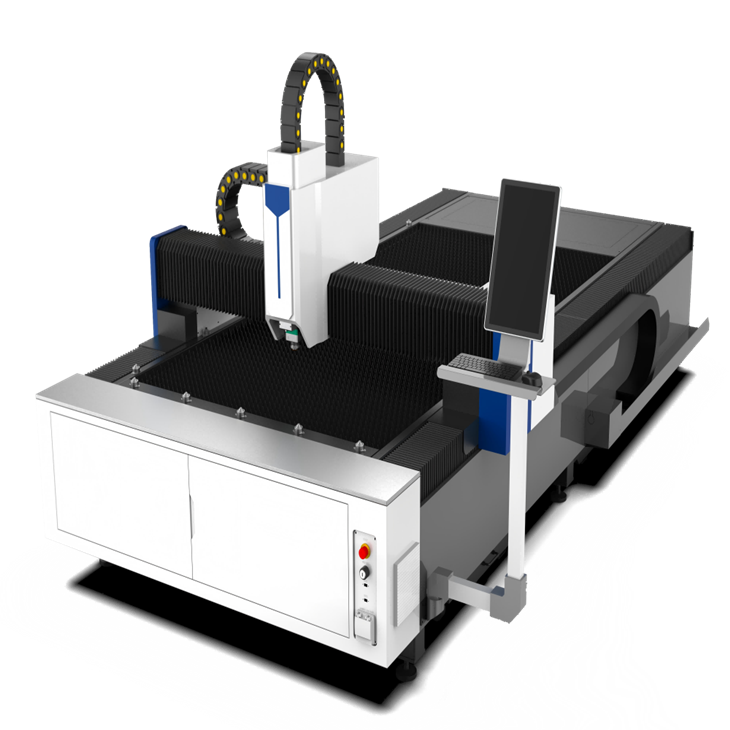

When you're lubricating, make sure to clean the parts first. Remove any old lubricant and debris before applying the new one. This ensures that the lubricant can work effectively and reduces the risk of wear and tear on the components.
Alignment and Calibration
Alignment and calibration are key to getting accurate cuts. The laser beam needs to be precisely aligned with the cutting path. You can use the alignment tools provided by the manufacturer to check and adjust the alignment. This might seem a bit technical, but it's really important. Even a small misalignment can result in uneven cuts or parts that don't fit together properly.
Calibration of the machine's control system is also necessary. This involves setting the correct parameters for things like cutting speed, acceleration, and deceleration. Regular calibration ensures that the machine operates at its best and produces high - quality cuts every time.
Software Updates
In today's digital age, software plays a huge role in the operation of laser cutting machines. The manufacturer often releases software updates to improve performance, add new features, and fix bugs. Make sure to keep your machine's software up - to - date.
Updating the software is usually a straightforward process. You can download the update from the manufacturer's website and follow the installation instructions. Just be careful and make sure you have a backup of your important cutting programs in case something goes wrong during the update.
Safety Checks
Safety should always be a top priority when maintaining a laser cutting machine. Check the safety features regularly, such as the emergency stop button, protective doors, and safety interlocks. Make sure they're all working properly. If any of these safety features are malfunctioning, don't use the machine until they're fixed.
Also, check the ventilation system. Laser cutting can produce fumes and dust, which can be harmful if inhaled. The ventilation system should be able to effectively remove these pollutants from the working area. Inspect the ducts and filters for any blockages and clean or replace them as needed.
Different Types of Laser Cutting Machines
We offer a variety of laser cutting machines, each with its own unique features and maintenance requirements.
The High Speed Laser Cutting Machine is designed for fast - paced production. Due to its high - speed operation, it's even more important to keep it well - maintained. The moving parts experience more stress, so regular lubrication and alignment checks are crucial.
The Platform Laser Cutting Machine has a stable platform for cutting. You need to pay special attention to the cleanliness of the platform to ensure accurate cuts. Regularly check the leveling of the platform as well, as any unevenness can affect the cutting quality.
The Fully Automatic Laser Cutting Machine relies heavily on its control system. Make sure to keep the software updated and perform regular calibration to ensure smooth and accurate operation.
Conclusion
Maintaining a laser cutting machine might seem like a lot of work, but it's definitely worth it. By following these maintenance tips, you can ensure that your machine runs smoothly, produces high - quality cuts, and lasts for a long time.
If you're in the market for a new laser cutting machine or have any questions about maintenance, don't hesitate to reach out. We're here to help you make the most of your investment and keep your operations running efficiently.
References
- Manufacturer's manuals for laser cutting machines
- Industry best practices for laser cutting machine maintenance