

Ensuring the accuracy of the mesh size produced by a mesh welding machine is crucial for meeting the quality requirements of various applications, such as construction, agriculture, and industrial fencing. As a reputable mesh welding machine supplier, we understand the significance of precision in mesh production and have accumulated extensive experience in this field. In this blog post, we will share some key strategies and considerations to help you achieve high - accuracy mesh sizes with our machines.
1. Machine Selection and Calibration
The first step in ensuring mesh size accuracy is to choose the right mesh welding machine for your specific needs. We offer a diverse range of machines, including the Steel Mesh Resistance Welding Machine, Numerical Control Positioning Net Production Line, and CNC Fully Automatic Mesh Welding Machine. Each machine is designed with advanced technology and features to provide precise control over the mesh size.
Once you have selected the appropriate machine, proper calibration is essential. Calibration involves setting the machine to the desired mesh size parameters, such as wire spacing, mesh length, and width. Our machines are equipped with user - friendly control panels that allow for easy calibration. However, it is recommended to follow the manufacturer's instructions carefully during the calibration process. Regular calibration checks should also be performed to ensure that the machine maintains its accuracy over time.
2. Quality of Raw Materials
The quality of the raw materials used in mesh production has a significant impact on the final mesh size accuracy. High - quality wires with consistent diameters and mechanical properties are essential. Variations in wire diameter can lead to uneven mesh sizes, as the welding process may not be able to compensate for these differences.
Before using the wires in the mesh welding machine, it is advisable to conduct quality inspections. Measure the wire diameters at multiple points along the length of the wire to ensure consistency. Additionally, check the wire for any surface defects, such as scratches or bends, which can affect the welding process and ultimately the mesh size.
3. Welding Process Control
The welding process is a critical factor in determining the accuracy of the mesh size. Proper control of the welding parameters, such as welding current, welding time, and electrode pressure, is necessary to ensure consistent and accurate welds.
- Welding Current: The welding current should be set according to the wire diameter and material. Too low a current may result in incomplete welds, while too high a current can cause excessive melting and distortion of the wires, leading to inaccurate mesh sizes.
- Welding Time: The welding time is also crucial. A short welding time may not allow for sufficient fusion between the wires, while a long welding time can cause over - heating and deformation.
- Electrode Pressure: Adequate electrode pressure is required to ensure good contact between the electrodes and the wires during the welding process. Insufficient pressure can result in poor weld quality and inconsistent mesh sizes.
Our mesh welding machines are designed with advanced welding control systems that allow for precise adjustment of these parameters. Operators should be trained to monitor and adjust the welding parameters as needed to maintain the accuracy of the mesh size.
4. Mechanical Components and Maintenance
The mechanical components of the mesh welding machine, such as the wire feeding system, positioning devices, and drive mechanisms, play a vital role in ensuring mesh size accuracy.
- Wire Feeding System: A reliable wire feeding system is essential for delivering the wires to the welding area at a consistent speed and tension. Any irregularities in the wire feeding can lead to variations in the mesh size. Regularly inspect the wire feeding system for any signs of wear or damage, and replace any worn - out parts promptly.
- Positioning Devices: The positioning devices are responsible for accurately placing the wires in the correct positions for welding. Ensure that these devices are properly aligned and calibrated. Any misalignment can result in inaccurate mesh sizes.
- Drive Mechanisms: The drive mechanisms, such as motors and gears, should be maintained in good working condition. Regular lubrication and inspection of these components can prevent mechanical failures that may affect the mesh size accuracy.
Regular maintenance of the machine is also crucial. Follow the manufacturer's recommended maintenance schedule, which may include tasks such as cleaning, lubrication, and replacement of worn - out parts. A well - maintained machine is more likely to produce accurate mesh sizes consistently.
5. Operator Training and Skill
The skills and knowledge of the machine operators are important factors in ensuring mesh size accuracy. Operators should be thoroughly trained on the operation, calibration, and maintenance of the mesh welding machine.
Training should cover topics such as machine setup, parameter adjustment, quality control, and troubleshooting. Operators should also be familiar with the safety procedures associated with operating the machine.
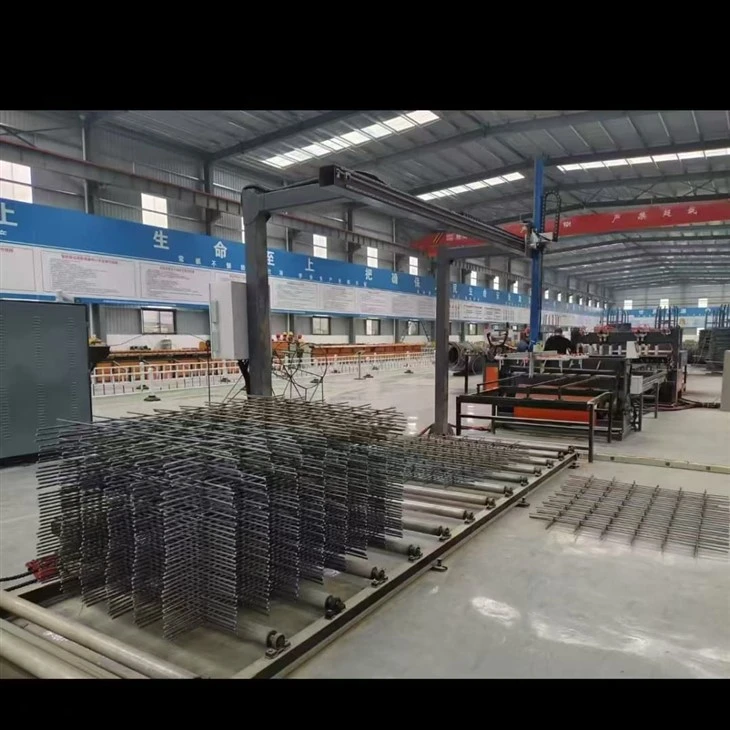
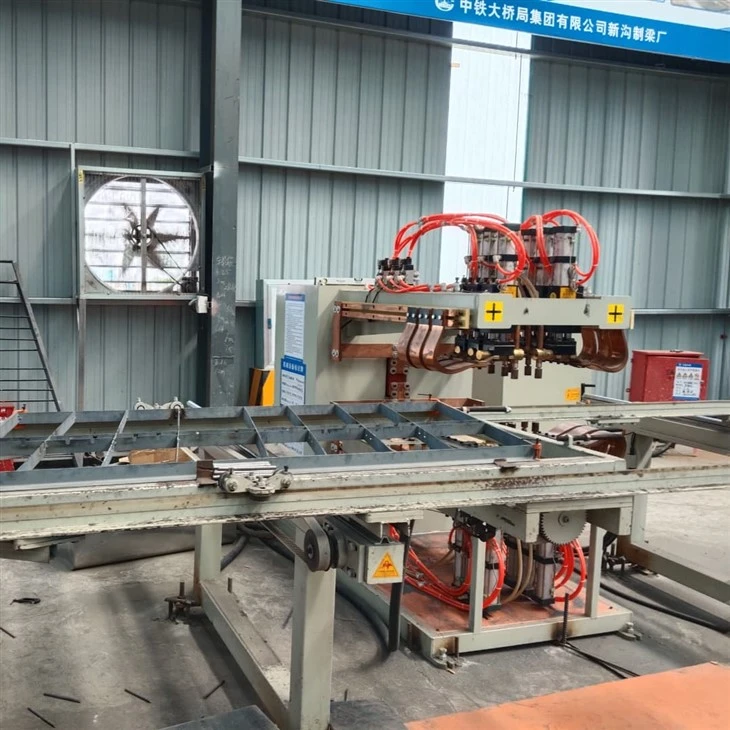
In addition to formal training, operators should gain practical experience by working with the machine. Encourage operators to share their experiences and insights with each other, which can help improve the overall accuracy of mesh production.
6. Quality Control and Inspection
Implementing a comprehensive quality control and inspection system is essential for ensuring the accuracy of the mesh size. Regularly inspect the produced mesh for any deviations from the desired size.
- Visual Inspection: Conduct a visual inspection of the mesh to check for any obvious defects, such as uneven wire spacing, misaligned wires, or incomplete welds.
- Measurement Tools: Use accurate measurement tools, such as calipers and rulers, to measure the mesh size at multiple points. Compare the measured values with the specified size requirements.
- Statistical Process Control (SPC): Implement SPC techniques to monitor the mesh size over time. Collect data on the mesh size measurements and analyze it to identify any trends or patterns. This can help detect potential problems early and take corrective actions before they result in significant quality issues.
7. Environmental Factors
Environmental factors can also affect the accuracy of the mesh size produced by a mesh welding machine. Temperature and humidity can cause the wires to expand or contract, which can lead to variations in the mesh size.
- Temperature: Try to maintain a stable temperature in the production environment. Extreme temperature changes can affect the mechanical properties of the wires and the performance of the machine. If necessary, use temperature - control equipment, such as air conditioners or heaters, to keep the temperature within a suitable range.
- Humidity: High humidity can cause corrosion of the wires and the machine components, which can affect the welding process and the mesh size accuracy. Keep the production environment dry by using dehumidifiers if needed.
In conclusion, ensuring the accuracy of the mesh size produced by a mesh welding machine requires a comprehensive approach that includes machine selection and calibration, quality control of raw materials, proper welding process control, maintenance of mechanical components, operator training, and consideration of environmental factors. As a leading mesh welding machine supplier, we are committed to providing our customers with high - quality machines and technical support to help them achieve the best possible mesh size accuracy.
If you are interested in our mesh welding machines or need further information on ensuring mesh size accuracy, please feel free to contact us for procurement and negotiation. We look forward to working with you to meet your mesh production needs.
References
- ASM Handbook Committee. (2008). ASM Handbook Volume 6: Welding, Brazing, and Soldering. ASM International.
- Welding Handbook Committee. (2017). AWS Welding Handbook, Volume 1: Welding Science and Technology. American Welding Society.
- Kalpakjian, S., & Schmid, S. R. (2014). Manufacturing Engineering and Technology. Pearson.