

Calibrating a steel bar bending machine is a crucial process that ensures the accurate and efficient bending of steel bars, which is essential for various construction and manufacturing applications. As a leading supplier of steel bar bending machines, we understand the importance of proper calibration and are committed to providing our customers with the knowledge and support they need to maintain their equipment. In this blog post, we will guide you through the steps of calibrating a steel bar bending machine, offering practical tips and insights to help you achieve optimal performance.
Understanding the Importance of Calibration
Before delving into the calibration process, it's important to understand why calibration is necessary. A well-calibrated steel bar bending machine ensures that the steel bars are bent to the correct angles and dimensions, which is critical for the structural integrity of the final product. Incorrect bending can lead to weak joints, misaligned components, and even structural failures. Additionally, proper calibration can improve the efficiency of the bending process, reducing waste and saving time and money.
Pre-Calibration Checks
Before starting the calibration process, it's essential to perform a series of pre-calibration checks to ensure the machine is in good working condition. These checks include:
- Visual Inspection: Inspect the machine for any signs of damage, wear, or misalignment. Check the bending dies, rollers, and other components for cracks, chips, or excessive wear.
- Cleaning: Clean the machine thoroughly to remove any dirt, debris, or metal shavings that may affect its performance. Pay special attention to the bending area and the moving parts.
- Lubrication: Check the lubrication levels of the machine and ensure that all moving parts are properly lubricated. Use the recommended lubricants and follow the manufacturer's instructions.
- Electrical Check: Check the electrical connections and wiring of the machine to ensure they are secure and free from damage. Test the machine's electrical system to ensure it is functioning properly.
Calibration Steps
Once the pre-calibration checks are complete, you can proceed with the calibration process. The following steps outline the general procedure for calibrating a steel bar bending machine:
- Set the Bending Angle: Use a protractor or angle gauge to measure the bending angle of the machine. Adjust the bending angle setting on the machine according to the desired angle. Make small adjustments and check the angle after each adjustment until the desired angle is achieved.
- Check the Bending Radius: Measure the bending radius of the machine using a radius gauge. Adjust the bending radius setting on the machine according to the desired radius. Again, make small adjustments and check the radius after each adjustment until the desired radius is achieved.
- Verify the Bending Accuracy: To verify the bending accuracy of the machine, bend a test piece of steel bar and measure the angle and radius of the bend. Compare the measured values with the desired values. If there is a significant difference, make further adjustments to the machine settings.
- Check the Bending Force: Use a force gauge to measure the bending force required to bend the steel bar. Compare the measured force with the recommended force for the machine. If the measured force is too high or too low, adjust the machine settings accordingly.
- Calibrate the Feed System: If the machine has a feed system, calibrate it to ensure that the steel bars are fed accurately and consistently. Adjust the feed speed and pressure settings according to the manufacturer's instructions.
- Test the Machine: After completing the calibration process, test the machine by bending several steel bars of different sizes and shapes. Check the bending angles, radii, and accuracy of the bends to ensure they meet the desired specifications.
Tips for Calibration
To ensure a successful calibration process, consider the following tips:
- Use High-Quality Measuring Tools: Use accurate and reliable measuring tools, such as protractors, angle gauges, and radius gauges, to ensure precise measurements.
- Follow the Manufacturer's Instructions: Always follow the manufacturer's instructions for calibration and maintenance. The manufacturer's guidelines are designed to ensure the safe and efficient operation of the machine.
- Make Small Adjustments: When making adjustments to the machine settings, make small adjustments and check the results after each adjustment. This will help you avoid over-adjusting the machine and ensure a more accurate calibration.
- Keep Records: Keep a record of the calibration process, including the date, time, and the settings used. This will help you track the machine's performance over time and identify any potential issues.
Our Steel Bar Bending Machines
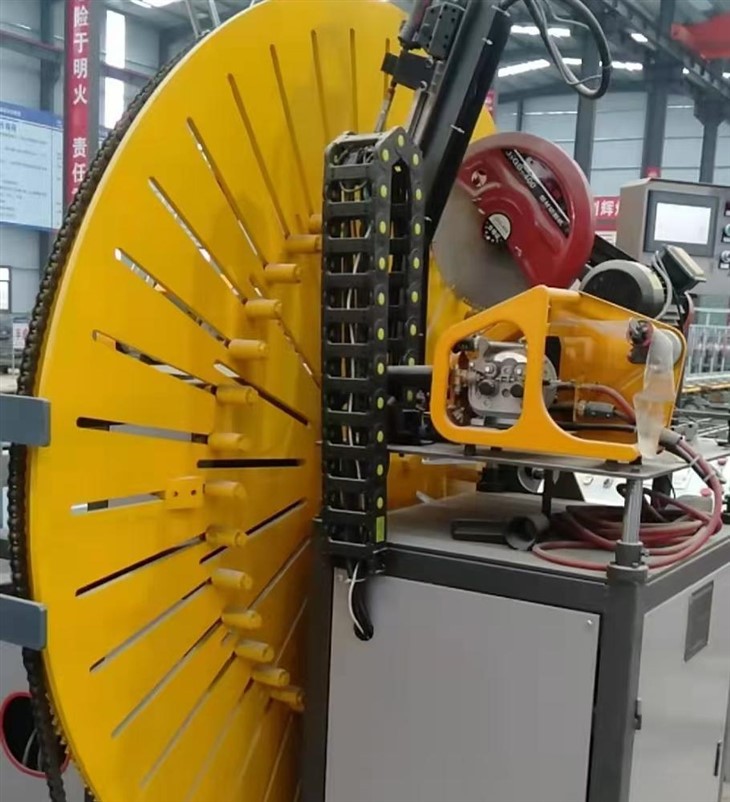
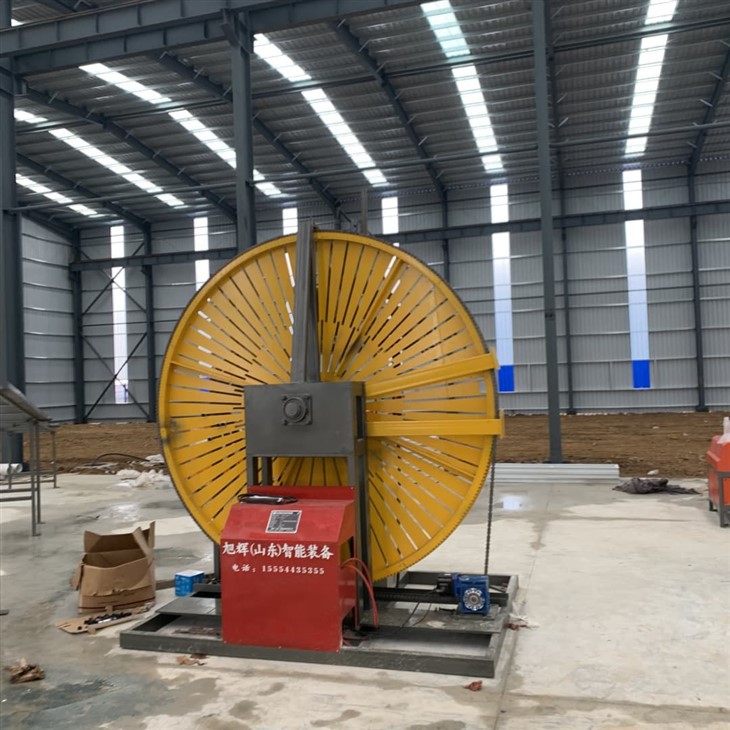
As a leading supplier of steel bar bending machines, we offer a wide range of high-quality machines to meet the needs of various industries. Our machines are designed to provide accurate and efficient bending of steel bars, with features such as high precision, rapid bending speed, and easy operation. Some of our popular models include the High-precision And Rapid Steel Bar Bending Machine, the Steel Bar Ring Bending Machine, and the Precision Steel Bar Bending Machine.
Conclusion
Calibrating a steel bar bending machine is a critical process that ensures the accurate and efficient bending of steel bars. By following the steps outlined in this blog post and performing regular maintenance, you can keep your machine in optimal condition and achieve the best results. If you have any questions or need further assistance with calibration or maintenance, please don't hesitate to contact us. We are committed to providing our customers with the highest level of support and service.
References
- Manufacturer's Manuals for Steel Bar Bending Machines
- Industry Standards for Steel Bar Bending
- Technical Publications on Metal Forming and Bending