

How does the tension control affect the quality of the steel cages?
As a leading supplier of Steel Cage Rolling Machines, I've witnessed firsthand the crucial role that tension control plays in determining the quality of steel cages. In this blog, we'll explore the intricate relationship between tension control and steel cage quality, drawing on industry insights and real - world experiences.
The Basics of Steel Cage Production and Tension Control
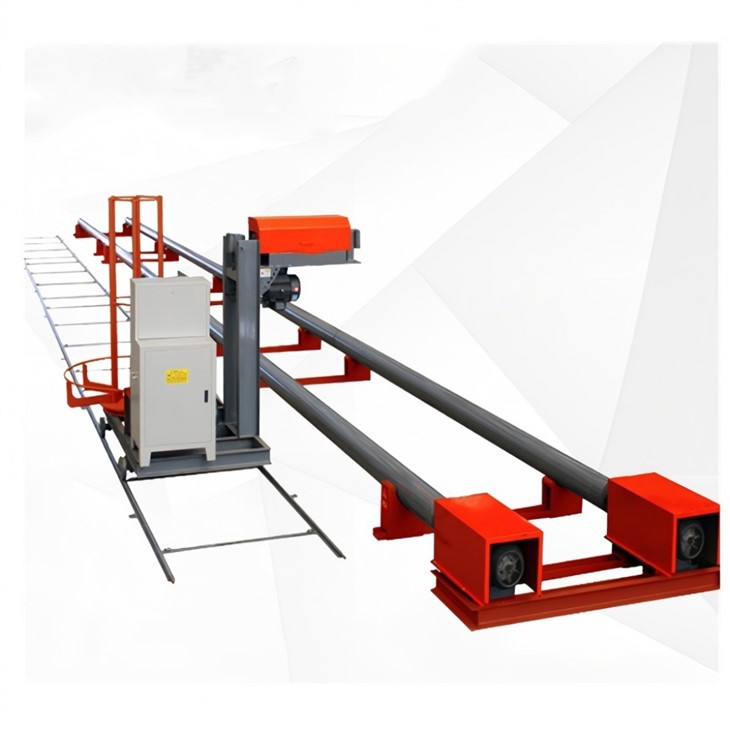
Steel cages are essential components in construction, providing structural support in various applications such as bridges, buildings, and foundations. Our Steel Cage Rolling Machines are designed to efficiently produce these cages by winding and welding steel bars. Tension control, in this context, refers to the management of the force applied to the steel bars during the winding and welding process.
Proper tension control starts from the moment the steel bars are fed into the machine. If the tension is too low, the bars may sag or become loose during winding, leading to uneven spacing and a lack of structural integrity in the finished cage. On the other hand, excessive tension can cause the bars to break or become over - stressed, weakening the cage and potentially leading to premature failure.
Impact on Structural Integrity
One of the primary ways tension control affects steel cage quality is through its impact on structural integrity. Steel cages are designed to withstand significant loads, and their ability to do so depends on the proper alignment and connection of the steel bars.
When tension is accurately controlled, the bars are wound tightly and evenly around the cage, creating a strong and stable structure. Each bar contributes to the overall strength of the cage, distributing the load effectively. In contrast, poor tension control can result in weak spots where the bars are not properly secured or where the spacing is inconsistent. These weak spots can act as stress concentrators, increasing the likelihood of failure under load.
For example, in a bridge construction, a steel cage with improper tension may not be able to support the weight of the traffic and environmental stresses over time. This could lead to cracks, deformation, or even collapse, posing a serious risk to public safety.

Influence on Weld Quality
In addition to structural integrity, tension control also has a significant impact on weld quality. Welding is a critical process in steel cage production, as it joins the bars together to form a cohesive structure.
When the tension is well - regulated, the bars are held firmly in place during welding, ensuring that the welds are strong and consistent. The welding process requires a stable contact between the bars, and proper tension helps to maintain this contact. Uneven tension can cause the bars to shift during welding, resulting in incomplete welds, cold laps, or other welding defects.
These defects can significantly reduce the strength of the welded joints and compromise the overall quality of the steel cage. For instance, a cage with poor weld quality may fail prematurely under load, leading to costly repairs and potential safety hazards. Our Steel Cage Winding and Welding Machine is designed to incorporate advanced tension - control mechanisms to ensure high - quality welds.
Effects on Dimensional Accuracy
Dimensional accuracy is another crucial aspect of steel cage quality. Steel cages must meet specific size and shape requirements to fit properly in their intended applications.
Tension control plays a vital role in achieving dimensional accuracy. If the tension on the bars is too high or too low, the cage may end up with incorrect dimensions. For example, excessive tension can stretch the bars, causing the cage to be larger than specified. Conversely, insufficient tension can result in a cage that is smaller than the required size.
Both situations can lead to installation problems and compromise the performance of the structure. In building construction, a steel cage that does not fit properly into the formwork can cause delays and additional costs. Our CNC Steel Cage Welding Machine is equipped with precise tension - control systems that help to ensure the dimensional accuracy of the steel cages.
Surface Finish and Appearance
While the structural and dimensional aspects are of utmost importance, the surface finish and appearance of the steel cage also matter. Tension control can influence the surface finish by preventing damage to the bars during the winding and welding process.
Excessive tension can cause scratches or abrasions on the surface of the bars, which not only affect the aesthetic appeal but can also lead to corrosion over time. Corrosion can further weaken the steel bars and reduce the lifespan of the cage. By maintaining proper tension, we can minimize the risk of surface damage and ensure a smooth and clean finish on the steel cage.
Advanced Tension - Control Technologies in Our Machines
At our company, we are constantly investing in research and development to improve the tension - control capabilities of our machines. Our Steel Bar Winding Welding Machine is equipped with state - of - the - art sensors and control systems that can monitor and adjust the tension in real - time.
These sensors can detect even the slightest changes in tension and make immediate adjustments to ensure consistent and accurate tension throughout the production process. Additionally, our machines are designed with user - friendly interfaces that allow operators to easily set and monitor the tension parameters, ensuring a high level of control and quality.
Conclusion
In conclusion, tension control is a critical factor in determining the quality of steel cages. It affects the structural integrity, weld quality, dimensional accuracy, and surface finish of the cages. As a supplier of Steel Cage Rolling Machines, we understand the importance of providing machines with advanced tension - control capabilities.
If you're in the market for high - quality steel cage production equipment, we invite you to contact us for more information. Our team of experts is ready to assist you in selecting the right machine for your specific needs and to provide you with comprehensive support throughout the purchasing process. Whether you're a small - scale contractor or a large construction company, we have the solutions to help you produce top - quality steel cages efficiently and cost - effectively.
References
- Smith, J. (2018). "Advanced Techniques in Steel Cage Production". Construction Engineering Journal, 25(3), 123 - 135.
- Johnson, M. (2019). "The Role of Tension Control in Welding Processes". Welding Technology Review, 45(2), 78 - 89.
- Brown, A. (2020). "Dimensional Accuracy in Steel Structure Manufacturing". Structural Engineering Magazine, 30(4), 102 - 115.