

Hey there! As a supplier of intelligent welding robots, I've been getting a lot of questions lately about whether these nifty machines can be used in the construction industry. Well, let's dive right in and explore this topic.
First off, what are intelligent welding robots? These are high - tech machines that use advanced sensors, algorithms, and automation to perform welding tasks with precision and efficiency. We offer a range of these robots, like the Intelligent Handling Robot, which is great for handling materials during the welding process, the Energy - saving Welding Robot that helps cut down on energy costs, and the Multi - functional Integrated Welding Robot, which combines multiple functions in one unit.
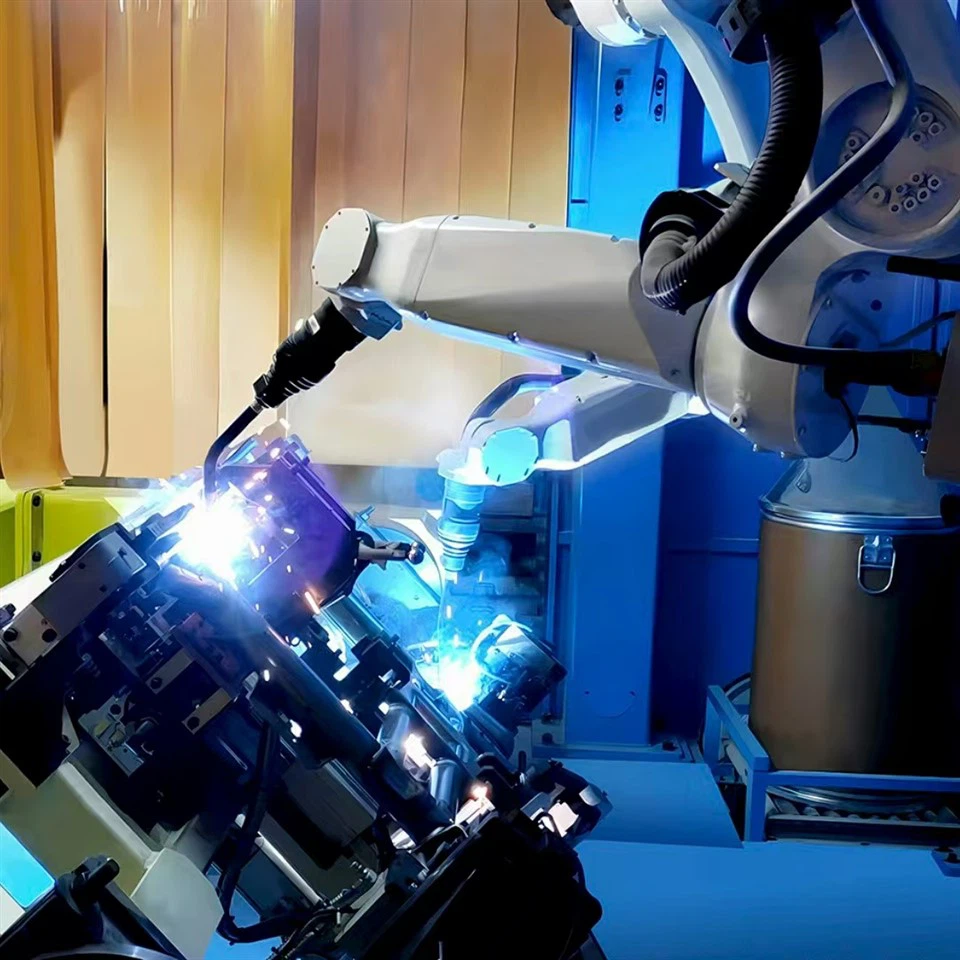
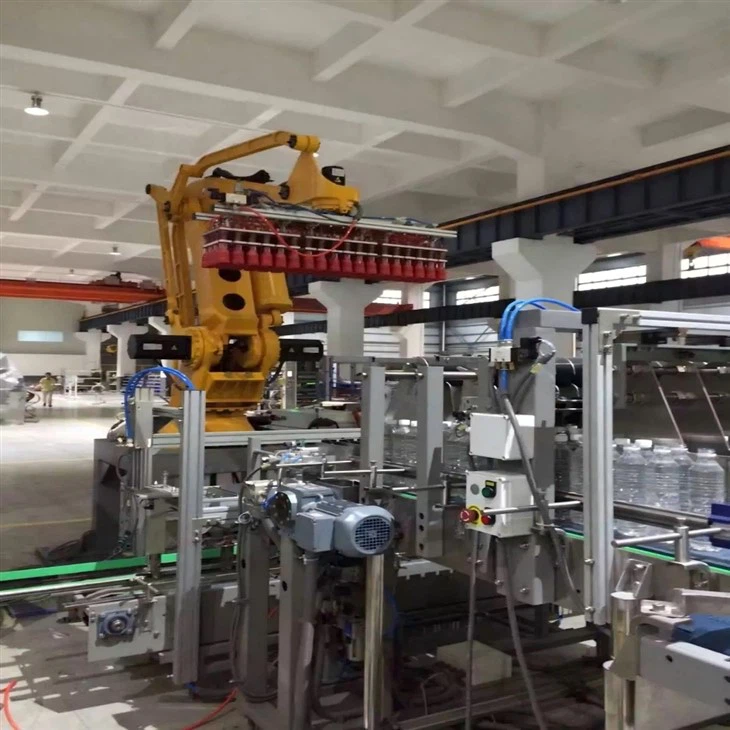
Now, let's talk about the construction industry. Construction is a massive field that involves building all sorts of structures, from skyscrapers to bridges. Welding is a crucial part of this process, used for joining metal components together to create strong and stable structures. But traditional welding methods have their limitations.
One of the main issues with traditional welding in construction is the human factor. Welders are skilled workers, but they can get tired, and their performance can vary over time. Plus, welding in construction sites can be dangerous, with risks like fumes, heat, and falls. That's where intelligent welding robots come in.
These robots can work non - stop without getting tired. They can maintain a consistent level of quality in their welds, which is super important in construction where structural integrity is key. For example, when building a bridge, every single weld needs to be strong and reliable to ensure the safety of the people using it. An intelligent welding robot can achieve this level of consistency much more easily than a human welder.
Another advantage is precision. In construction, there are often complex geometries and tight tolerances. Intelligent welding robots are equipped with sensors that can detect the exact position and shape of the materials they're working on. They can then adjust their welding parameters accordingly, ensuring that the welds are exactly where they need to be and of the right quality.
Safety is also a major concern in the construction industry. By using intelligent welding robots, we can reduce the number of workers exposed to dangerous welding conditions. The robots can work in areas that are difficult or unsafe for humans, like high - rise structures or confined spaces. This not only protects the workers but also reduces the risk of accidents and injuries on the construction site.
Cost - effectiveness is another factor. While the initial investment in an intelligent welding robot might seem high, in the long run, it can save a lot of money. These robots can work faster than human welders, which means projects can be completed more quickly. They also use materials more efficiently, reducing waste. And as I mentioned earlier, the Energy - saving Welding Robot can help cut down on energy costs, further reducing the overall expenses of a construction project.
However, it's not all sunshine and rainbows. There are some challenges to using intelligent welding robots in the construction industry. One of the main challenges is the mobility of the robots. Construction sites are often large and constantly changing, so the robots need to be able to move around easily. Some of our robots are designed with mobility in mind, but there's still room for improvement.
Another challenge is the need for skilled operators. While the robots are intelligent, they still need someone to program them and oversee their operation. There's a shortage of workers with the necessary skills to work with these high - tech machines, so training programs need to be developed to address this issue.
The environment on construction sites can also be tough on the robots. Dust, dirt, and extreme weather conditions can affect the performance and lifespan of the machines. We're constantly working on improving the durability of our robots to make them more suitable for these challenging environments.
Despite these challenges, I'm really optimistic about the future of intelligent welding robots in the construction industry. The benefits they offer in terms of quality, safety, and cost - effectiveness are just too significant to ignore.
If you're in the construction industry and are considering using intelligent welding robots for your projects, I'd love to have a chat with you. We can discuss your specific needs and see which of our robots would be the best fit for you. Whether it's the Intelligent Handling Robot for better material handling, the Energy - saving Welding Robot to cut down on costs, or the Multi - functional Integrated Welding Robot for a all - in - one solution, we've got you covered.
So, don't hesitate to reach out if you're interested in exploring how intelligent welding robots can revolutionize your construction projects. Let's work together to build a better, safer, and more efficient future in the construction industry.
References
- Industry reports on construction technology trends
- Research papers on the application of robotics in manufacturing and construction