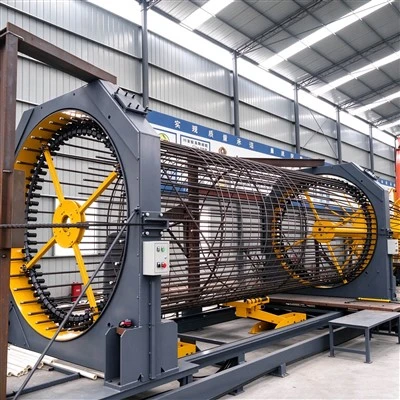
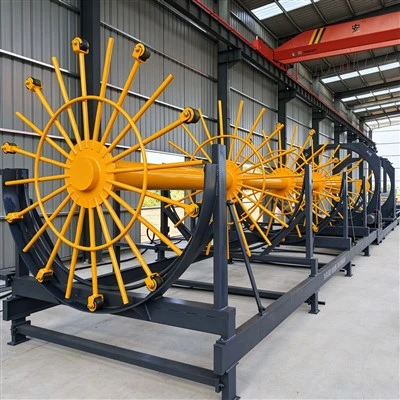
As the core equipment for the automation of steel bar processing, the maintenance and upkeep of the steel bar sawing, threading, and grinding production line must address multiple aspects, including mechanical structure, electrical systems, and hydraulic/pneumatic components. This ensures processing accuracy (such as threading precision and sawing verticality) and continuous production. The following is a detailed maintenance plan:
Key Points for Sub-component Maintenance
Saw blade: Clean steel debris between the teeth and check for chipping or cracks. If wear exceeds one-third, replace the blade promptly. (Note: Different materials are suited to different steel bars. For example, high-speed steel blades are suitable for HRB400E, while tungsten carbide blades are better for high-strength bars.)
Sawing platform: Remove iron filings, check for looseness in the positioning baffle, and ensure that sawing length error is ≤±1 mm.
Weekly Maintenance
Adjust blade tension (typically 25–30 MPa) to prevent looseness (causing swing) or over-tightness (causing breakage).
Inspect the sawing feed cylinder to ensure smooth lifting without jamming. Replace seals if oil leakage is detected.
Threading Mechanism – Ensuring Thread Quality
Threading die: Use a dedicated brush to clean iron filings inside the cavity. Apply a release agent (e.g., graphite powder) and check for intact thread profiles. Replace immediately if stripped or broken threads appear. (Keep 2–3 spare sets of the same model for rotation.)
Guide sleeve: Clean the inner wall to ensure accurate steel bar feed-in and avoid diagonal thread lines.
Grinding Mechanism – Ensuring End Face Flatness
Grinding wheel: Clean off adhered powder and inspect for uneven wear. Adjust the wheel angle if needed. Radial runout should be ≤0.5 mm.
Dust removal pipeline: Ensure smooth airflow to prevent dust buildup, which can affect performance and lifespan.
Weekly Maintenance
Check grinding motor bearing temperature (should not exceed 70°C during operation). Listen for abnormal sounds and apply grease if necessary.
Adjust conveyor roller height so the steel bar axis aligns with the equipment centerline (deviation ≤1 mm).
Verify the repeat positioning accuracy of the baffle (≤±0.5 mm) and correct deviations via control system parameters.
Hydraulic System
Check oil level in the tank-maintain at two-thirds on the gauge. Normal oil temperature is 30–55°C. Stop the machine and check the cooling system if temperature exceeds 60°C.
Replace the oil filter element every 500 hours and change the hydraulic oil annually (recommended viscosity: 32# or 46# anti-wear oil). Clean the tank before refilling.
Pneumatic System
Drain condensate from the gas tank before daily operation.
Monthly: Replace the filter element in the oil-water separator.
Electrical System
Weekly: Check the pressure of the regulator valve (usually 0.6–0.8 MPa).
Open the electrical cabinet, blow out dust with compressed air, and inspect contactors/relays for oxidation. Sand lightly with fine sandpaper if needed.
Check the servo motor and drive module temperatures (≤60°C), ensure cable connections are secure, and confirm grounding resistance is ≤4Ω.
Structural Fastening (Every Six Months)
Inspect and tighten bolts on the equipment frame and guide rails using specified torque (e.g., M12 bolts: 35–40 N·m) to prevent loosening from vibration.
Examine guide rail lubrication. If rust is found, polish with a fine oilstone and apply specialized guide rail oil to ensure smooth slider movement.
Maintenance Under Special Working Conditions
High-load operations (e.g., daily output ≥50 tons):
Shorten replacement cycles of saw blades and threading dies to 70% of the normal interval. Increase daily lubrication of key parts.
Long-term downtime (≥15 days):
Remove and store saw blades and threading dies in a dry place with rust inhibitor. Cover conveyor and guide rails with moisture-proof film. Disconnect the main power and attach a "Shutdown Maintenance" sign.
Maintenance Records and Standards
Establish an Equipment Maintenance Log to track maintenance dates, procedures, replaced part models, and operator names for traceability.
Develop a fault response procedure:
For example, if the saw blade jams, immediately press the emergency stop. Check for steel bar deformation or saw blade damage. Restart only after resolving the issue. Do not force a system reset.
By implementing the above targeted maintenance practices, equipment failure rates can be reduced to ≤1% per month. The service life of core components can be extended (e.g., saw blade ≥5,000 cuts; threading die ≥8,000 uses), ensuring stable long-term operation of the production line.